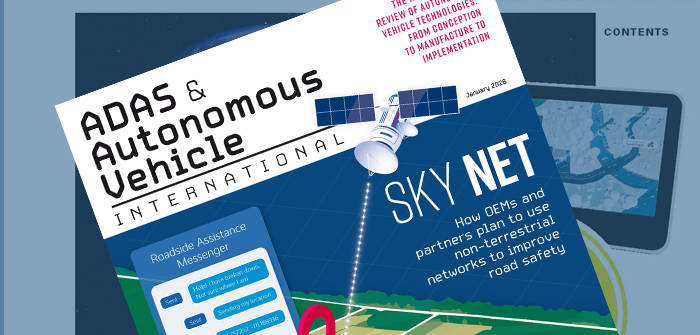
Welcome to the January issue of our automotive magazine! We’re excited to dive into some groundbreaking developments in satellite connectivity, GNSS accuracy, and more. This month’s cover story delves into how non-terrestrial networks are revolutionizing road safety through emergency messaging and calling, a must-read for anyone passionate about car tech.
Key Takeaways
- New satellite connectivity technologies enhance emergency communication in remote areas.
- The latest GNSS systems offer lane-level localization accuracy, setting new standards for ADAS.
- Snapdragon Ride Pilot by Qualcomm and BMW promises advanced autonomous driving capabilities.
Imagine being stranded on a desolate road with no cell signal. Now picture having satellite connectivity that can send an emergency message to the nearest help within seconds. That’s exactly what new non-terrestrial networks promise, making our roads safer than ever before.
The January issue also highlights advancements in GNSS technology, which is crucial for ADAS systems. With lane-level localization accuracy, these systems can now provide drivers with precise navigation and safety features that were once thought impossible. It’s like having a personal chauffeur who knows every twist and turn of the road.
Another exciting feature this month is Enrico Salvatori’s interview about Snapdragon Ride Pilot, a joint project between Qualcomm Europe and BMW Group for the Neue Klasse platform. This system aims to bring autonomous driving closer to reality with its advanced capabilities that promise smoother rides and enhanced safety features.
The issue also explores the growing importance of driver monitoring systems as regulations push for more effective yet user-friendly solutions. We discuss how OEMs are balancing regulatory requirements with end-user experience, ensuring that these systems provide necessary warnings without becoming a nuisance to drivers.
Frequently Asked Questions
How does satellite connectivity improve road safety?
Satellite connectivity allows for emergency messaging and calling in remote areas where traditional cell networks are unavailable, ensuring that help can reach you even when you’re far from civilization.
What is the significance of lane-level localization accuracy?
Lane-level localization accuracy provided by GNSS systems enables ADAS to offer precise navigation and safety features, enhancing overall driving experience and road safety.
In conclusion, this month’s issue is packed with insights into how satellite connectivity, GNSS technology, and autonomous vehicle advancements are shaping the future of automotive safety. Stay tuned for more updates as we continue to explore these exciting developments!
