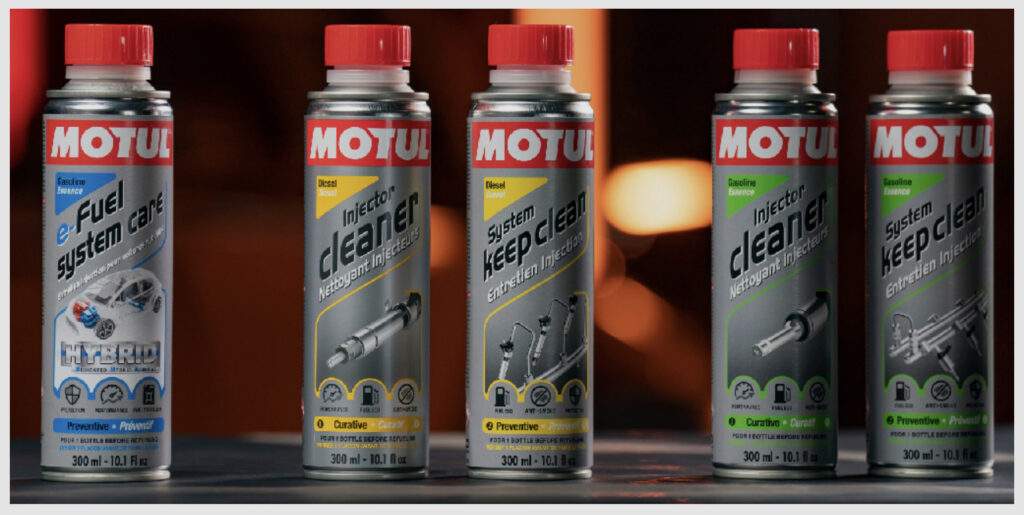
Motul’s fuel and oil additives are marketed as solutions to improve vehicle performance, reduce emissions, and extend engine life. However, their effectiveness in saving money remains a subject of debate among car enthusiasts and mechanics.
Key Takeaways
- Fuel system cleaners can help maintain optimal fuel efficiency by removing deposits from injectors and intake valves.
- Oil additives, such as engine flushes and detergent boosters, aim to enhance the performance of modern low-SAPS oils in high-mileage engines.
- Motul’s pre-MOT emission solutions are designed to pass emissions tests but may not offer long-term benefits without regular maintenance.
Motorists often face challenges when their vehicles approach MOT test deadlines. Motul’s fuel system cleaners and pre-MOT emission solutions aim to address these issues by removing carbon deposits from the engine, potentially improving fuel efficiency and reducing emissions levels just enough to pass a test. However, critics argue that such additives might only provide temporary relief.
Oil circuit additives play a crucial role in maintaining an engine’s health, especially for older or higher-mileage vehicles. Engine flushes help clean out sludge before new oil is added, while detergent/anti-friction boosters enhance the properties of existing oils between service intervals. These products must be compatible with modern low-SAPS (low sulfur-phosphorus-ash) oils and aftertreatment systems to avoid damaging catalytic converters or particulate filters.
For modified cars and tuners, Motul offers octane/cetane improvers that can suppress knock in marginal fuel situations or mildly uprated engines. These additives are particularly useful for drivers seeking performance enhancements without major engine modifications. However, their long-term effectiveness and impact on the vehicle’s overall health remain uncertain.
Frequently Asked Questions
Do Motul additives really save money?
Motul’s fuel system cleaners can reduce emissions and improve fuel efficiency temporarily, potentially saving money on fuel costs. However, their long-term benefits are limited without regular maintenance.
Are Motul oil additives safe for modern engines?
Motul’s oil circuit additives must be compatible with low-SAPS oils and aftertreatment systems to avoid damaging components like DPF/GPF filters. Using incompatible products can lead to expensive repairs.
In conclusion, while Motul’s fuel and oil additives may offer short-term benefits such as improved performance or passing emissions tests, their long-term effectiveness and impact on overall vehicle maintenance costs are less clear-cut.
