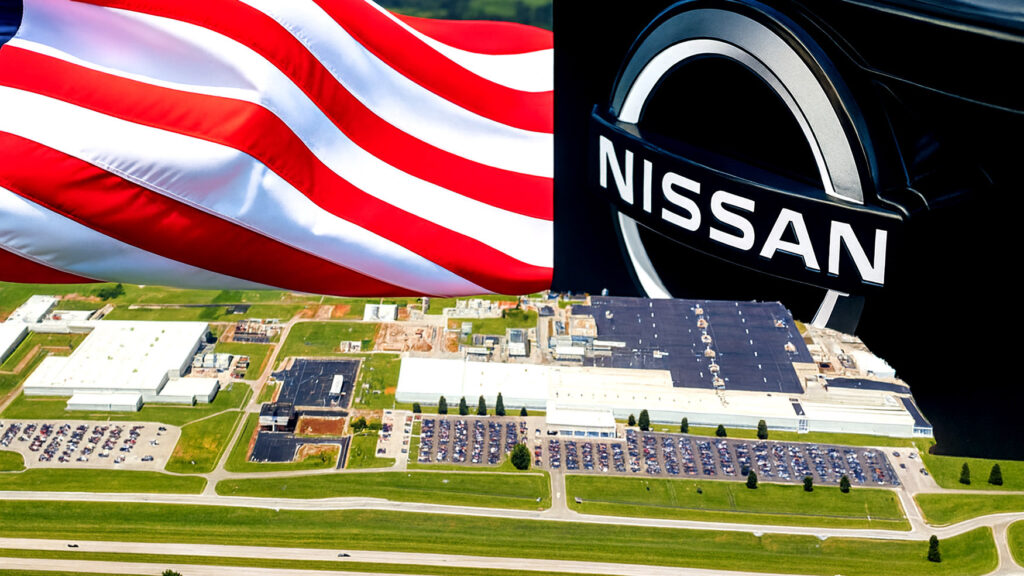
Nissan has issued only nine recalls in 2025, significantly fewer than its competitors. This achievement is largely due to the company’s rigorous quality control measures at their engine plant in Decherd, Tennessee.
Key Takeaways
- Nissan’s recall rate of nine recalls in 2025 is notably lower than GM (36), Chrysler (46), and Ford (138).
- The Tennessee engine plant controls production from raw materials to finished engines, ensuring quality at every stage.
- Advanced testing methods like daily scans and X-rays catch defects before the assembly line ends.
Nissan’s recall rate of nine in 2025 stands out against competitors such as GM with 36 recalls, Chrysler with 46, and Ford with a record-breaking 138. The stark difference highlights Nissan’s commitment to quality control, which begins at the Tennessee engine plant.
In Decherd, Tennessee, Nissan operates an internally controlled production process where raw materials like rolled steel enter the facility and finished engines leave it. This vertical integration minimizes outsourcing issues that often lead to recalls elsewhere in the industry.
Inside the Tennessee plant, Nissan employs a level of precision akin to scientific labs. Parts are checked down to microns, ensuring accuracy and reliability. Special foundations eliminate vibration interference for precise measurements, further enhancing quality control.
Nissan also utilizes advanced testing methods such as daily scans and X-rays to detect flaws before engines leave the assembly line. This proactive approach helps prevent defects from reaching customers, contributing to the company’s lower recall rate.
Frequently Asked Questions
How does Nissan’s recall rate compare with other car manufacturers?
Nissan issued nine recalls in 2025 compared to GM (36), Chrysler (46), and Ford (138).
What quality control measures does Nissan implement at their Tennessee engine plant?
Nissan controls production from raw materials to finished engines, employs micron-level precision checks, and uses daily scans and X-rays to catch defects.
The low recall rate is a testament to Nissan’s stringent quality assurance practices. As the company continues to refine its processes, it may see further improvements in reliability and customer satisfaction.
