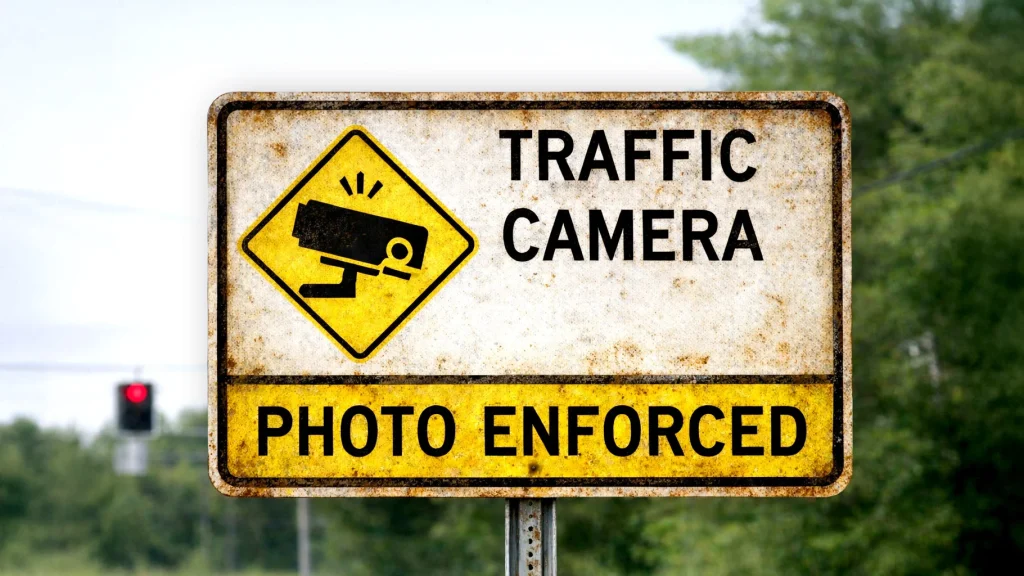
Despite efforts to eliminate the profit motive from traffic cameras, Ohio communities continue to generate millions in revenue. Newburgh Heights leads with $4.3 million annually.
Key Takeaways
- Newburgh Heights generates over $4 million per year from two speed camera locations.
- School zones have become lucrative due to an exemption loophole, allowing towns like Parma and Linndale to earn significant revenue.
- The disparity in earnings shows some cities barely cover costs while others rake in millions.
Ohio’s traffic cameras are still a major source of income for many communities. According to recent filings, 15 Ohio municipalities collected over $20 million from automated ticketing systems last year alone. Newburgh Heights tops the list with revenue of more than $4.3 million.
School zones have become particularly profitable due to an exemption that allows towns to keep all proceeds without having them clawed back by state law. Parma and Linndale are among those benefiting from this loophole, generating over $1.5 million each year.
But the earnings aren’t evenly distributed across Ohio’s traffic camera network. While some communities like Newburgh Heights cash in big time, others barely break even or lose money on their investments. For example, Higginsport only brought in about $87,000 despite operating cameras for a full year.
Lawmakers aimed to strip away the profit motive from automated ticketing systems by implementing new laws that require towns to forfeit all earnings back into local government funds. However, this hasn’t stopped some municipalities from finding ways around these restrictions and continuing to benefit financially.
Frequently Asked Questions
How do school zones help increase revenue?
School zone cameras aren’t subject to the same financial penalties as other locations, allowing towns like Linndale and Parma Heights to keep all proceeds.
Why is there such a disparity in earnings between communities?
The difference lies mainly in location. Towns with high traffic volume or strategic placement of cameras tend to earn more than those without these advantages.
This uneven distribution highlights the ongoing challenges faced by Ohio lawmakers trying to regulate automated ticketing systems fairly across all municipalities.
