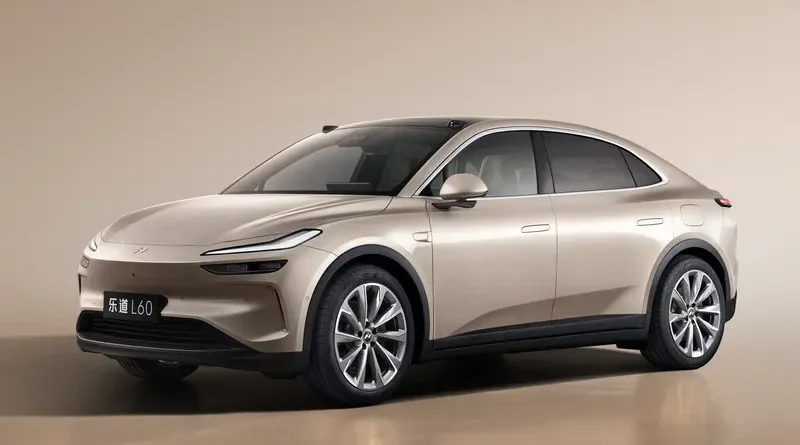
Shen Fei, the president of ONVO, a family-oriented sub-brand under NIO, has slammed extended-range electric vehicles (EREVs) during an interview with The Paper. He argues that EREVs are wasteful and costly compared to fully-electric models.
Key Takeaways
- ONVO’s president Shen Fei criticizes extended-range electric vehicles for being resource-intensive.
- The extra battery space reduces interior room, impacting family usability.
- Add-on costs of range extenders increase both manufacturer and consumer expenses.
Shen Fei believes that EREVs are inefficient due to the added complexity of maintaining two power systems. He points out that they take up valuable storage space inside cars designed for families, making it less practical than fully electric models.
The costs associated with range extenders can be steep too. Shen estimates an additional 15,000 yuan ($2,143) just to include a gas backup system in the vehicle. This extra cost is passed on to car buyers and manufacturers alike.
As battery technology advances and prices drop, it’s becoming more feasible for electric vehicles (EVs) to offer ranges that rival or surpass those of traditional cars without needing fossil fuel backups. Shen feels this trend will make EREVs less appealing over time.
However, some consumers might still prefer the flexibility provided by range extenders in case they don’t have access to charging stations regularly. For families who need reliability and long-distance travel capabilities, the debate continues on whether EVs or EREVs are better suited for daily life.
Frequently Asked Questions
Why does Shen Fei think extended-range electric vehicles aren’t worth it?
Shen argues that the extra battery space and maintenance costs of a range extender make EREVs less efficient than fully-electric cars. He also notes they’re more expensive to produce.
What’s an example of an extended-range electric vehicle?
The Chevy Volt, released in 2010, was one of the first popular EREVs with a gas generator as backup when its battery ran out. It offered around 40 miles on electricity before switching to gasoline.
Shen Fei’s comments reflect a growing sentiment among some automakers that fully electric vehicles are the future, but others see value in hybrid solutions for now.
