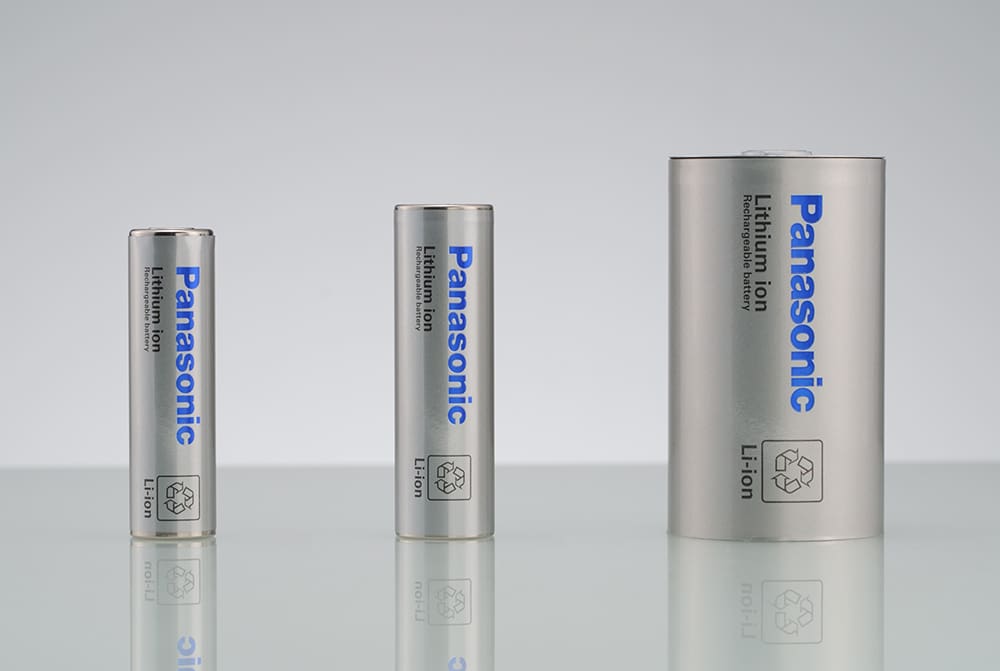
Panasonic Energy and Brown University have teamed up to enhance lithium-ion battery technology, a move aimed at improving performance in electric vehicles (EVs) and industrial applications. This collaboration will focus on understanding the degradation of materials during battery cycles to develop more durable and powerful batteries.
Engineers from both institutions bring unique strengths to this partnership: Panasonic Energy’s expertise in producing cylindrical cell technology combined with Brown University’s knowledge in materials engineering. Their goal is to accelerate the development of next-generation battery materials that can deliver higher power outputs while maintaining extended durability, addressing industry demands for versatile and robust energy storage solutions.
The research findings will be integrated into Panasonic Energy’s existing processes, potentially leading to breakthroughs in battery performance and efficiency. This partnership underscores the importance of interdisciplinary collaboration in advancing EV technology and could pave the way for more efficient and reliable batteries across various applications, from consumer electronics to large-scale industrial systems.
Industry experts are optimistic about the potential impact of this research on future battery designs. With growing concerns over range anxiety and performance degradation in EVs, innovations like these promise significant improvements for both consumers and businesses relying heavily on energy storage solutions.
As we reported earlier this year, advancements in battery technology have been a key factor driving the growth of the EV market. This new partnership could further accelerate progress by addressing some of the most pressing challenges faced by current lithium-ion batteries. The work being done at Brown University and Panasonic Energy is expected to yield practical solutions that benefit not only automakers but also suppliers looking to integrate more efficient power sources into their products.
For those interested in staying updated on developments in battery technology, our previous analysis on the importance of materials science in advancing EV capabilities provides a valuable context for understanding why partnerships like this are so crucial. Follow us for more insights and updates as this research progresses.
