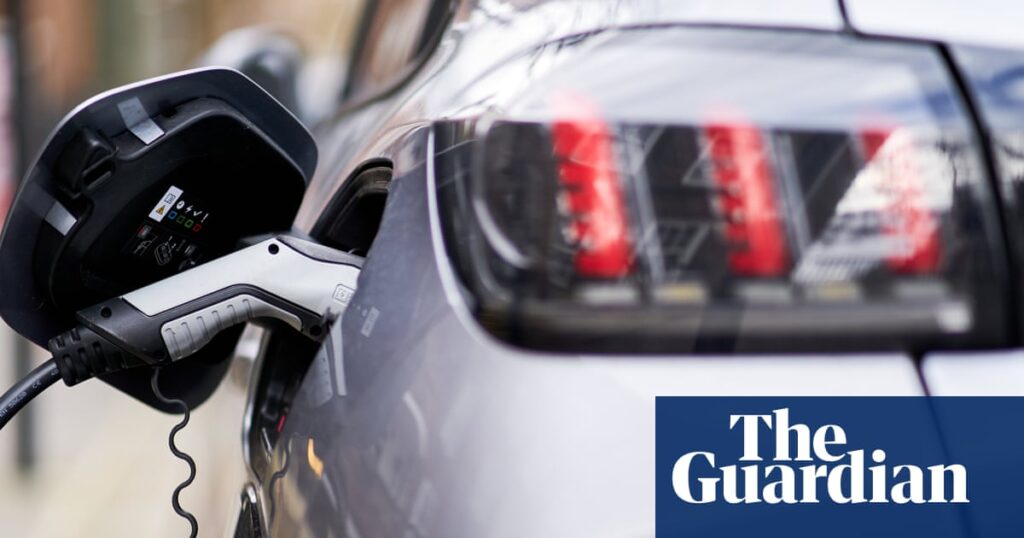
The UK government’s recent announcement of a per-mile tax on electric vehicles (EVs) marks an initial step towards reforming vehicle taxation to better reflect usage and externalities. This move aims to address issues related to traffic congestion and carbon emissions, though it faces criticism for its fairness compared to existing fuel taxes.
Key Takeaways
- The proposed per-mile tax on EVs is seen as an important but preliminary step towards more equitable vehicle taxation.
- Taxes based on energy usage are argued to be fairer than those based on mileage, capturing external costs such as road wear and carbon emissions better.
- Implementing a tax at the point of use rather than charging could ensure uniform regulation and fairness across different user groups.
The proposal for a per-mile EV tax is part of ongoing efforts to reform vehicle taxation in the UK. Critics argue that this approach does not adequately account for differences in vehicle efficiency and weight, which are crucial factors affecting road wear and carbon emissions.
Edward Leigh suggests an alternative method: taxing electricity usage at the point of use rather than charging. This would involve EVs logging both mileage and energy consumption, with taxes applied based on these metrics to ensure fairness across different user groups.
The current tax system for petrol and diesel vehicles includes VAT and duty, resulting in a total tax rate of approximately 7p per mile. To achieve parity, Leigh estimates that EVs would need to be taxed at around 23p per kWh when including VAT and the climate change levy.
Questions arise about the practicality and fairness of implementing such reforms. Critics like David Abrams argue against penalizing owners who opt for environmentally friendly vehicles, highlighting potential unintended consequences on consumer behavior.
Frequently Asked Questions
How does the proposed per-mile EV tax compare to existing fuel taxes?
The current tax system for petrol and diesel vehicles includes VAT and duty, resulting in a total tax rate of approximately 7p per mile. In contrast, the proposed EV tax aims to capture external costs like road wear and carbon emissions more accurately.
What are the potential drawbacks of taxing electricity usage at the point of use?
Taxing electricity usage at the point of use could face challenges in uniform regulation across different charging methods (home, public points) and user groups. It may also affect consumer behavior negatively if perceived as punitive.
The introduction of a per-mile EV tax is a significant move towards reforming vehicle taxation but faces criticism for its fairness and practicality compared to existing systems. Further discussion and refinement are necessary to ensure equitable treatment of all vehicle users while addressing environmental concerns.
