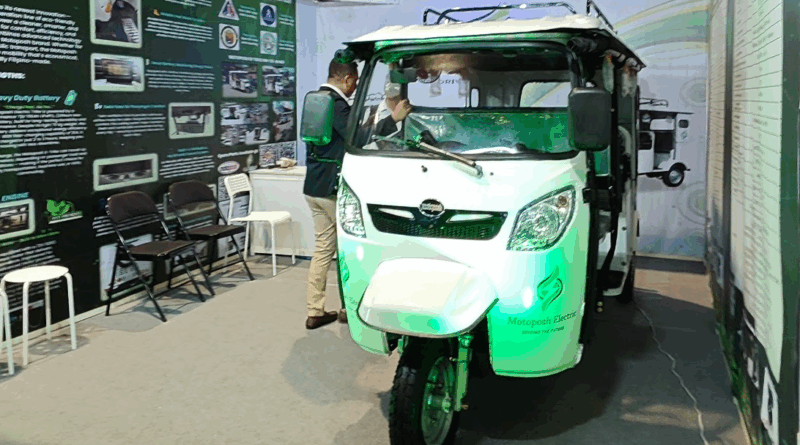
The Philippines is about to face a showdown between regulators and the communities they serve, as the Land Transportation Office (LTO) plans to crack down on light electric vehicles (LEVs), including e-bikes and e-trikes. The move has sparked controversy among lawyers, lawmakers, and EV enthusiasts who argue that it’s an overreach based on outdated regulations.
Key Takeaways
- The LTO is using a 1980s memo to justify impounding LEVs for being unregistered despite the Electric Vehicle Industry Development Act (EVIDA) exempting privately owned LEVs from registration.
- Lawmakers and lawyers warn that enforcement without legal basis could lead Congress to intervene.
- The conflict highlights a misunderstanding of micromobility as part of the climate solution rather than an inconvenience on major roads.
Starting January 2, LEV owners will face immediate impoundment if their vehicles are found on main thoroughfares. The LTO’s decision to implement this rule comes after a Christmas gift delay and a brief information campaign to warn the public about upcoming road bans.
The crux of the issue is that the Circular 89-105, which dates back over three decades before electric vehicles existed commercially, contradicts EVIDA passed in 2022. The new law explicitly states private LEVs don’t need to be registered. Yet, the LTO insists on using this outdated memo as justification for impounding these eco-friendly modes of transport.
Lawmakers and legal experts are up in arms over what they see as an abuse of power by regulatory bodies. Rep Terry Ridon, one of EVIDA’s authors, warns that if regulators enforce the ban without a proper basis, Congress will step in to protect citizens’ rights. Atty Ariel Inton from Lawyers for Consumer Safety says this move is unjust and could lead to legal battles.
At stake here isn’t just enforcement but also understanding of micromobility’s role as part of climate solutions versus being seen merely as a nuisance on roads. As cities worldwide embrace LEVs for their environmental benefits, the Philippines risks falling behind if it doesn’t recognize these vehicles’ potential to reduce carbon emissions and traffic congestion.
Frequently Asked Questions
Is there any legal basis for impounding e-bikes?
No, the LTO’s action relies on a 1980s memo that conflicts with recent laws supporting electric vehicles.
What happens if LEVs are found on main roads after January 2nd?
If caught, owners face immediate impoundment of their vehicles without any prior warning or grace period.
This isn’t just a fight over rules; it’s about the future direction of urban mobility in the Philippines. Will micromobility be seen as part of the solution to climate change and traffic woes, or will outdated regulations continue to hinder progress?
