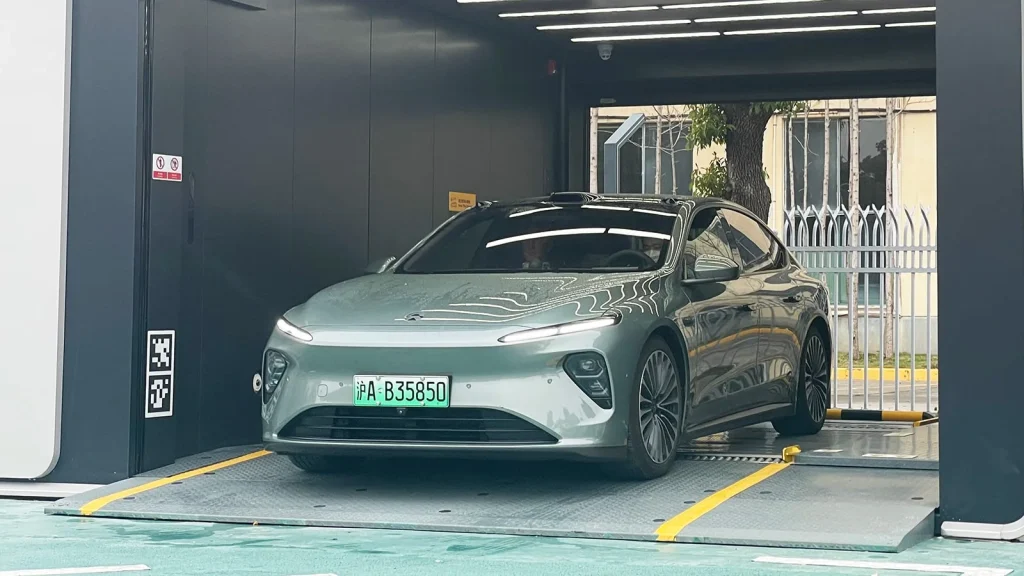
Shanghai will continue offering free license plates to electric vehicle (EV) owners in the city through December 31, 2026. The policy aims to boost adoption of new energy vehicles and supports companies like Tesla and Nio.
Key Takeaways
- The free license plate offer extends for another year in Shanghai.
- New Energy Vehicles (NEVs) made up 60.75% of all vehicle registrations from January to November.
- PHEV owners won’t qualify for the program starting next year, focusing on battery electric vehicles and extended-range EVs exclusively.
<
Shanghai’s decision underscores its commitment to fostering a green automotive industry by encouraging more people to buy BEVs. The city has been leading in NEV adoption with strong support from local authorities.
In 2025, the number of registered vehicles rose by 5% year-over-year, but NEVs saw an even bigger jump at 20%, showing a growing preference for EVs over traditional fuel cars. This trend aligns with national goals to reduce carbon emissions and promote sustainable transport.
The city’s free license plate policy has been instrumental in driving this growth since it was first introduced several years ago, helping Shanghai become one of the most electric vehicle-friendly cities in China. However, starting from January 2023, PHEVs were excluded from receiving these perks.
Applicants for free EV plates must meet strict criteria such as having a local Hukou or at least three years’ social insurance contributions within Shanghai over four years before applying. Foreigners and holders of valid residence permits also qualify under certain conditions.
Frequently Asked Questions
Who qualifies for free EV license plates?
Residents with local Hukou, companies registered locally, or those who’ve paid social insurance in Shanghai for at least three years out of the last four qualify. Foreigners need a valid residence permit and six months’ continuous contributions.
What’s the cost of traditional fuel vehicle license plates?
The current price stands at over RMB 90,000 ($12,330) through an auction system. This has remained stable for years despite rising demand.
This policy extension will likely keep Shanghai’s EV market thriving and attract more manufacturers looking to tap into the growing green car segment in China.
