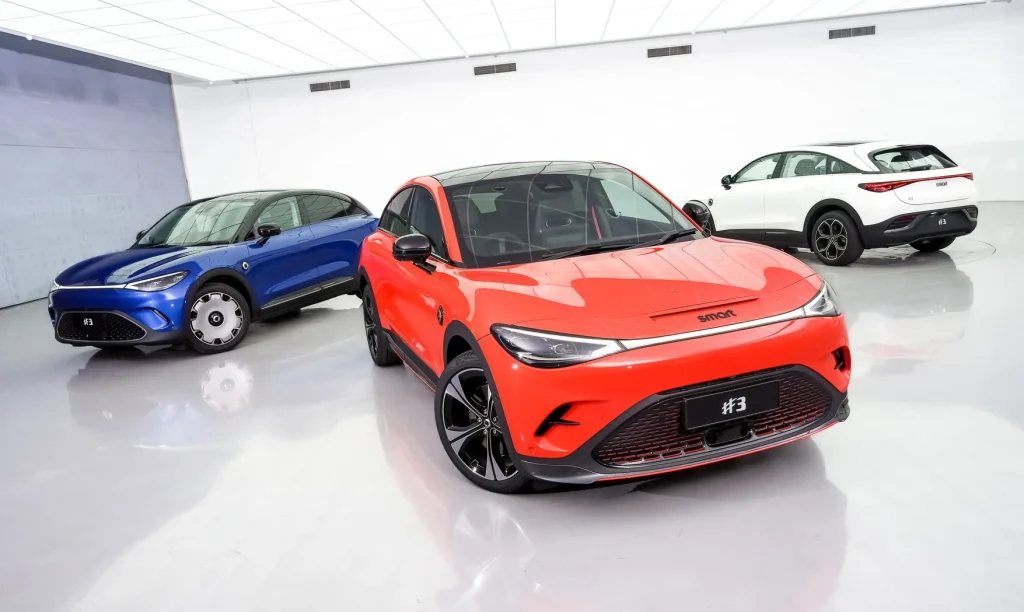
The premium electric vehicle market in Indonesia is seeing a shift as Chinese brands smart Cars and Zeekr struggle to maintain their foothold. With high import taxes, stiff competition from local assembly lines of other automakers like Hyundai and Toyota, and the entry of aggressive new players such as BYD and Chery, these luxury EVs are finding it tough going.
Key Takeaways
- Premium electric vehicle brands smart Cars and Zeekr face declining sales in Indonesia due to high import duties and local competition.
- The Indonesian market is witnessing a price war, pushing premium EVs out of reach for many buyers.
- Zeekr plans to start assembly operations in Malaysia to gain pricing advantage over imported models.
Smart Cars and Zeekr entered the Indonesian market with high hopes but have encountered significant challenges. Both brands target a segment where vehicles often cost more than IDR 1 billion, putting them at a disadvantage compared to locally assembled options that benefit from tax breaks. This pricing gap is exacerbated by import duties and luxury taxes.
Toyota’s decision to assemble its bZ4X in Indonesia highlights the importance of local manufacturing for price competitiveness. The Japanese automaker aims to bring prices below IDR 1 billion, directly competing with premium EVs like Zeekr’s models that currently cost more due to being imported as completely built-up units (CBU).
Zeekr’s closure of its dealership in Pondok Indah last year signals a reassessment period for the brand. Other Chinese brands have also faced similar issues, leading some to temporarily close showrooms or reduce their marketing efforts.
The ongoing price war and intense competition from new entrants like BYD and Chery are contributing factors to Zeekr’s struggles in Indonesia. These newer players offer more affordable options that appeal to a wider range of buyers, making it difficult for premium brands to compete on price alone.
Frequently Asked Questions
Will smart Cars and Zeekr exit the Indonesian market?
The companies haven’t officially announced plans but given current conditions, it’s possible they will adjust their strategies to remain competitive.
What is Zeekr planning in Malaysia?
Zeekr intends to start assembling its EVs locally in Malaysia to reduce costs and offer more affordable pricing compared to imported models.
The Indonesian premium electric vehicle market may see significant changes as brands like smart Cars and Zeekr reassess their strategies. Local assembly could be the key for these companies to regain traction, but it remains to be seen how they will navigate this challenging landscape.
