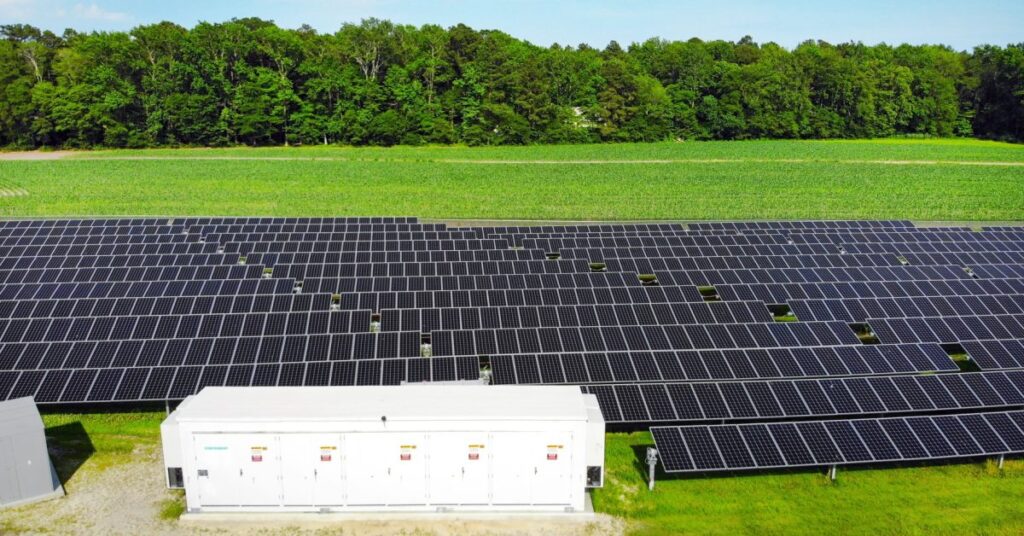
The Federal Energy Regulatory Commission’s latest report shows solar energy leading the charge with over three-quarters of new power capacity additions through September 2025. Wind and other renewables follow, while natural gas struggles to keep up.
Key Takeaways
- Solar accounted for 75% of all US electrical generating capacity added in the first nine months of 2025.
- The mix of renewables is on track to exceed 40% of installed power generation within three years, with solar alone expected to reach 20%.
- Solar has been leading new capacity additions each month since September 2023.
According to FERC’s report, utility-scale solar installations reached a staggering total of 158.43 gigawatts by the end of September, marking significant growth from just under 92 GW at the start of 2023.
In stark contrast, natural gas capacity additions have slowed down dramatically compared to previous years. Despite being one of the go-to sources for power generation in decades past, it’s clear that solar is now king when it comes to new installations.
Hydropower and biomass also saw modest growth but remained minor players relative to wind and solar. The resurgence of these older technologies alongside modern renewables highlights a blend of tradition and innovation within the energy sector.
The data underscores how quickly renewable sources have taken over from traditional power generation methods like coal and oil, which once dominated America’s energy landscape. This shift represents both an evolution in technology and a response to climate change concerns driving policy changes across the country.
Frequently Asked Questions
What percentage of new power capacity was solar?
Solar energy made up over 75% of all US electrical generating capacity added in the first nine months of 2025.
How much did wind and other renewables contribute to growth?
The mix of renewables, including solar and wind, accounted for roughly 89% of new power generation capacity through September 2025. Wind added a significant amount as well, contributing about 13%.
As we look ahead, it’s clear that the energy sector is in the midst of a transformation driven by renewables like solar and wind taking center stage over traditional fossil fuels. This trend shows no signs of slowing down anytime soon.
