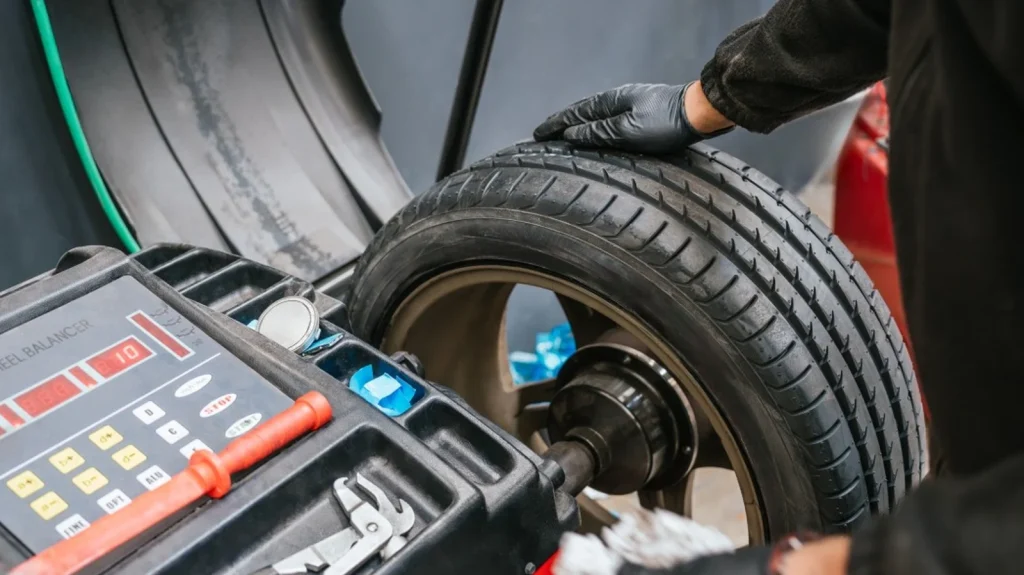
Keeping your tires balanced is crucial for maintaining a smooth ride, but how do you know when it’s time to have them checked? As a seasoned automotive journalist with two decades under my belt, I’ve seen countless cars suffer from imbalanced tires. It’s not just about the shake; it affects fuel efficiency and tire wear too.
Key Takeaways
- Vibration at high speeds often signals unbalanced tires.
- A loose or wobbly steering wheel can indicate imbalances.
- Tires pulling to one side might also point towards balance issues.
If your car feels like it’s shivering when you hit the highway, there’s a good chance your tires are out of whack. Back in the day, we didn’t have as many options for tire balancing technology, so these signs were even more critical to spot early on.
Another telltale sign is if your steering wheel feels loose or wobbles when you’re driving at speed. This isn’t just uncomfortable; it can be a safety issue too. Old-timers will remember the days of manual balancing where mechanics would use lead weights, but now we have more precise methods.
When your car pulls to one side while rolling down the road, that’s another red flag. It doesn’t take much for tires to start misbehaving if they’re not balanced properly. And this pull can be due to uneven wear caused by imbalanced wheels over time.
Listenting closely is key; a constant humming or rhythmic thumping sound from your tires could mean they need balancing. We used to rely heavily on visual inspections, but today’s tech allows us to diagnose issues more accurately without even touching the tires.
Frequently Asked Questions
How often should I get my tires balanced?
The frequency depends on driving conditions and how hard you push your car. But as a rule of thumb, it’s wise to check them every 5,000 miles or so.
Can bad tire balance affect fuel efficiency?
Absolutely! Poorly balanced tires can increase rolling resistance and lower your car’s gas mileage. So keeping them in tip-top shape is essential for saving money at the pump too.
Tires may seem like a simple part of a vehicle, but they play an enormous role in how well everything else performs. Regular checks are vital to prevent bigger problems down the road.
