John Elkann, chairman of Stellantis, issued a stark warning to the European Union (EU) about its impending emissions regulations. He emphasized that unless the EU adjusts its stance, it risks driving Europe’s auto industry into an irreversible decline.
The crux of the issue lies in the aggressive mandate set forth by the EU: phasing out combustion-engine vehicles entirely by 2035. This abrupt shift has major automakers scrambling for alternatives while maintaining market viability and production efficiency.
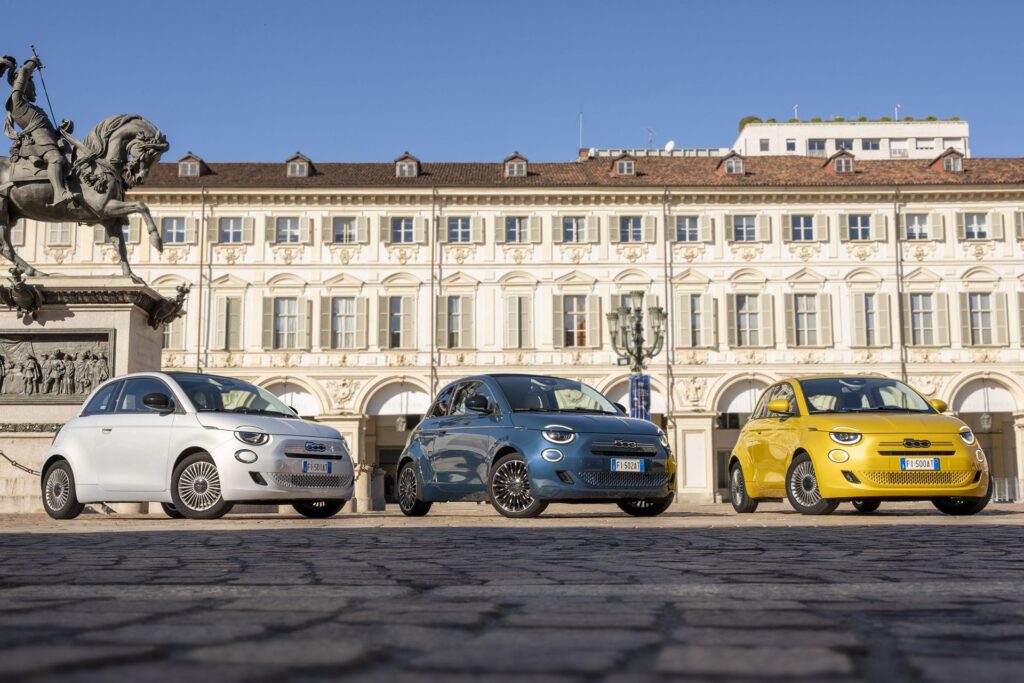
Elkann’s comments came during a significant moment at Fiat’s birthplace, Turin, where he announced the start of production on a new hybrid version of the iconic Fiat 500. The move signals Stellantis’ commitment to finding middle ground between regulatory demands and consumer needs.
The industry proposal suggests a more flexible path toward emissions reduction by allowing plug-in hybrids, range extenders, and alternative fuels beyond 2035. Additionally, they recommend averaging CO₂ reductions over several years to ease the transition period. Such strategies aim at reviving small-car production in Europe, an area suffering due to rising manufacturing costs.
Stellantis CEO Antonio Filosa echoed Elkann’s sentiments, urging for ‘urgent and definitive action’ from EU officials. The company’s recent investment in Italian production underscores their commitment to reinvigorating the local industry, even as it faces challenges like low EV demand and increasing competition from Chinese brands.
For many European automakers, these regulations spell potential disaster if not adjusted. While the shift towards electric vehicles is inevitable, the sudden phaseout of combustion engines threatens to push manufacturers into uncharted territories without adequate support or flexibility in policy.
The EU’s response will be crucial for maintaining automotive production within Europe. Without a more accommodating framework, carmakers might be forced to reconsider their European operations, leading to significant economic repercussions.
