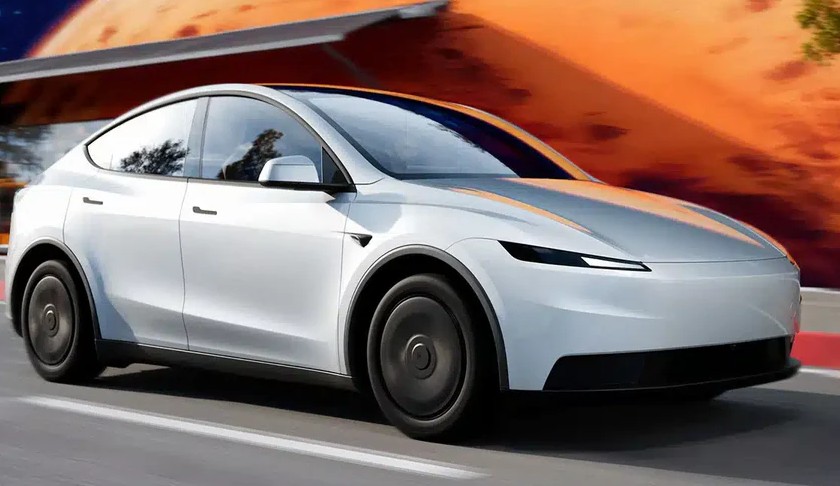
TÜV, a renowned German organization known for its rigorous product evaluations, has released its latest reliability report covering electric vehicles (EVs) from the 2022–2023 model years. The findings reveal that Tesla’s Model Y has the highest defect rate among all tested models, marking it as the least reliable vehicle in the industry over the past decade.
Key Takeaways
- The Tesla Model Y recorded a 17.3% defect rate for cars aged 2–3 years, surpassing all other models tested.
- The Model 3 also performed poorly with a 13.1% defect rate, placing it third worst among the 110 models evaluated.
- Most electric vehicles demonstrated superior reliability compared to Tesla’s offerings, with the Mini Cooper SE leading at 3.5%, followed by Audi Q4 e-tron and Fiat 500e.
The report assessed over 9.5 million vehicles across Germany between July 2024 and June 2025, making it one of the most comprehensive studies on vehicle reliability to date. The TÜV evaluation methodology considers technical inspection data but acknowledges that differences in mileage and maintenance can influence results.
Notably, even budget-friendly models like the Dacia Spring outperformed both Tesla Model Y and Model 3 in terms of reliability, underscoring concerns about quality control or design flaws specific to these Tesla models. This trend is particularly significant given Tesla’s market leadership and high consumer expectations for EV reliability.
Among the top performers were several electric vehicles from established automakers such as Mini Cooper SE with a defect rate of 3.5%, Audi Q4 e-tron at 4.0%, and Fiat 500e achieving 4.2%. These figures highlight that while Tesla has been a pioneer in EV technology, its reliability issues stand out starkly against competitors.
Frequently Asked Questions
What is the defect rate for the Model Y?
The TÜV report indicates that the Tesla Model Y has a 17.3% defect rate, making it the least reliable model among those evaluated.
How does this compare to other EVs?
In comparison, models like the Mini Cooper SE have a significantly lower defect rate of just 3.5%, followed by Audi Q4 e-tron at 4.0% and Fiat 500e at 4.2%, demonstrating superior reliability across multiple brands.
These findings suggest that Tesla may need to address its quality control processes or design flaws to improve the reliability of its vehicles, particularly in light of growing competition within the EV market.
