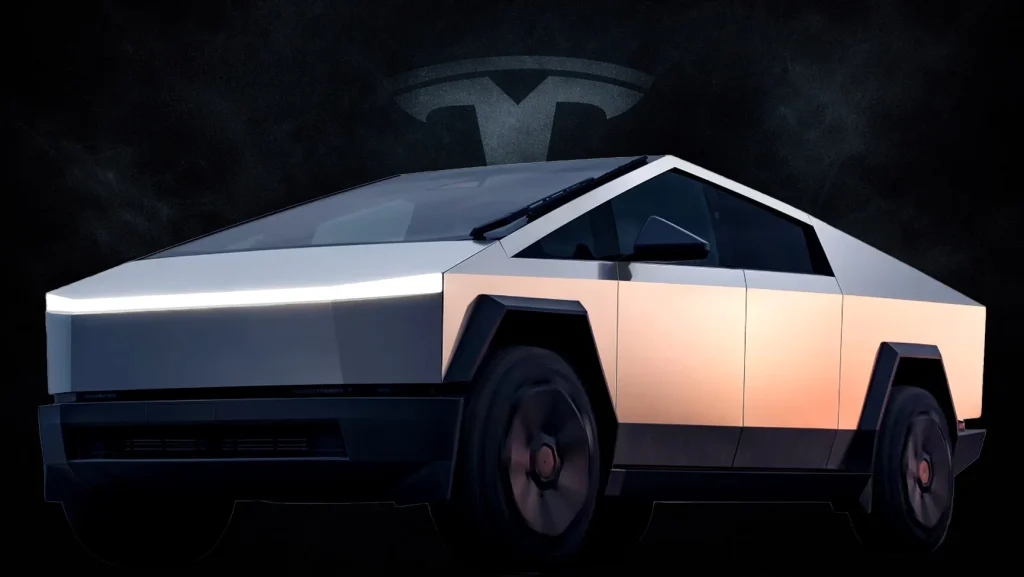
When Tesla announced a $2.67 billion battery contract for the much-anticipated Cybertruck in February 2023, it seemed like another milestone in Elon Musk’s ambitious plans to revolutionize automotive manufacturing. However, with actual sales falling far short of expectations—Tesla is on track for fewer than 20,000 units this year—the deal has been slashed down to a mere $6,776.
Key Takeaways
- Tesla’s battery supplier L&F Co. saw its contract worth $2.67 billion cut by 99% due to poor Cybertruck sales.
- The original deal was tied to Tesla’s 4680 battery cells, which were supposed to power the company’s future affordable EVs but are now mainly used in the Cybertruck.
- Subsidy eliminations and policy changes have also impacted the supply contract negatively for L&F Co.
The original deal was inked with high expectations of selling 250,000 Cybertrucks annually. But it’s clear now that those projections were overly optimistic given the current sales trend. The stark contrast between promise and reality underscores a significant shift in consumer behavior towards electric vehicles.
While Tesla has long been known for its innovative approach to battery technology with models like the Model S, which boasted impressive range figures back when it was launched in 2012, the Cybertruck’s performance hasn’t lived up to expectations. The model’s futuristic design and heavy reliance on advanced battery tech have not translated into robust sales.
Supply chain adjustments reflect these market realities. L&F Co., a South Korean supplier of high-nickel cathode material for Tesla batteries, has seen its contract cut from $2.67 billion to just under $7000 due to the Cybertruck’s poor performance in the marketplace. This reduction is indicative of broader issues affecting not only Tesla but also other players in the EV industry.
As Tesla continues to struggle with slow-moving inventory, SpaceX has emerged as a potential savior for some contracts by stepping in and becoming an additional buyer. But this doesn’t entirely offset the damage done to suppliers like L&F Co., which have been left holding much smaller orders than originally anticipated.
Frequently Asked Questions
How did Tesla’s battery contract with L&F Co. get cut so drastically?
The reduction is largely due to lower-than-expected sales of the Cybertruck, along with changes in government subsidies and economic policies affecting EV markets.
What impact does this have on Tesla’s future plans for affordable electric vehicles?
This development highlights challenges in scaling up production and meeting ambitious targets. It may force a reevaluation of timelines and strategies regarding more budget-friendly models like the Cybertruck.
The story of the slashed battery deal serves as a cautionary tale about overestimating demand for new EV models, especially those with unconventional designs aimed at niche markets.
