Electric vehicles (EVs) are gaining popularity worldwide as countries push to reduce carbon emissions. However, some U.S. states aren’t keeping up with the trend due to lack of incentives for buyers.
Key Takeaways
- North Dakota and West Virginia offer no EV tax credits or rebates.
- Both states rank among the lowest in terms of EV adoption rates and charger availability.
- Cold climate and rural nature hinder widespread EV use in these areas.
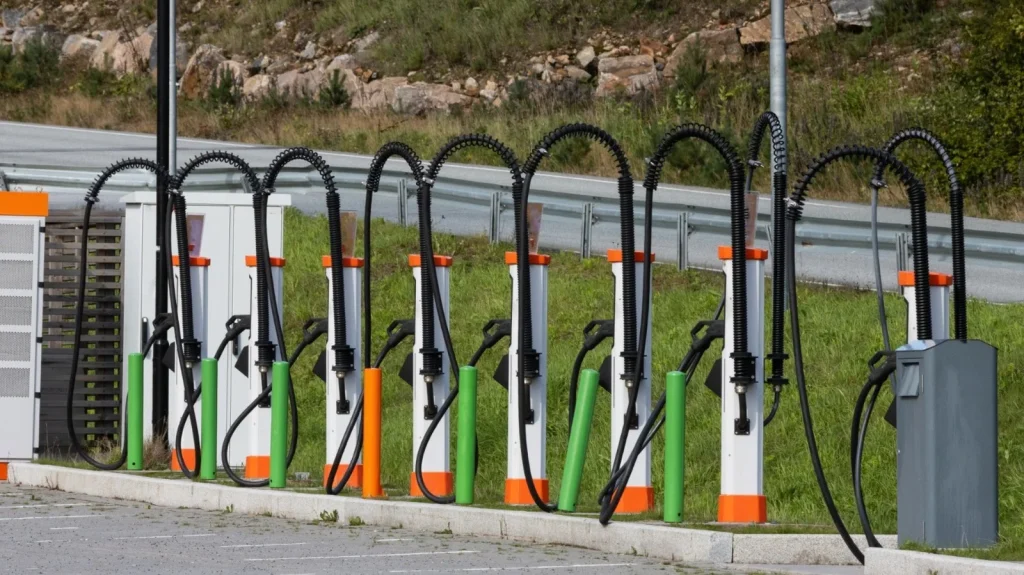
North Dakota doesn’t provide any incentives for buying new or used electric vehicles. Instead, it imposes a $120 annual registration fee on EVs, which discourages their adoption further. The state has the second-lowest number of charging stations per capita compared to other U.S. states.
West Virginia also fails to offer tax credits or rebates for purchasing an electric vehicle. In 2020, it ranked 44th out of all states in terms of EV sales with just 143 EVs sold per 100,000 people. This is significantly lower than the national average.
Environmental factors play a role too; cold weather and long distances make driving an electric car less appealing for many residents. The lack of charging infrastructure compounds this issue by limiting where drivers can travel with confidence.
The absence of incentives doesn’t just affect consumer behavior but also hinders the growth of local EV markets, impacting manufacturers’ willingness to enter these regions. States like North Dakota and West Virginia are outliers in a national push towards electrification.
Frequently Asked Questions
Does any state offer tax credits for used EVs?
The federal government previously offered $4,000 on used electric vehicles but that program ended. Some states still have their own incentives in place.
What’s the average number of charging stations per capita across U.S. states?
Nationally, there are about 15 EV chargers available for every 100,000 people on average, though this varies widely by state.
The lack of incentives and infrastructure in North Dakota and West Virginia highlights the challenges these states face as they try to catch up with other parts of the country that are embracing electric vehicles more enthusiastically.
