As the dust settles on the phase-out of federal tax credits for electric vehicles (EVs), many car enthusiasts and industry experts have been keeping a close eye on how used EV prices are shifting. The $4,000 tax credit for pre-owned vehicles has recently expired, leading to significant changes in market dynamics. This article revisits key models that were previously analyzed before the tax credits ended to provide fresh insights into price fluctuations.
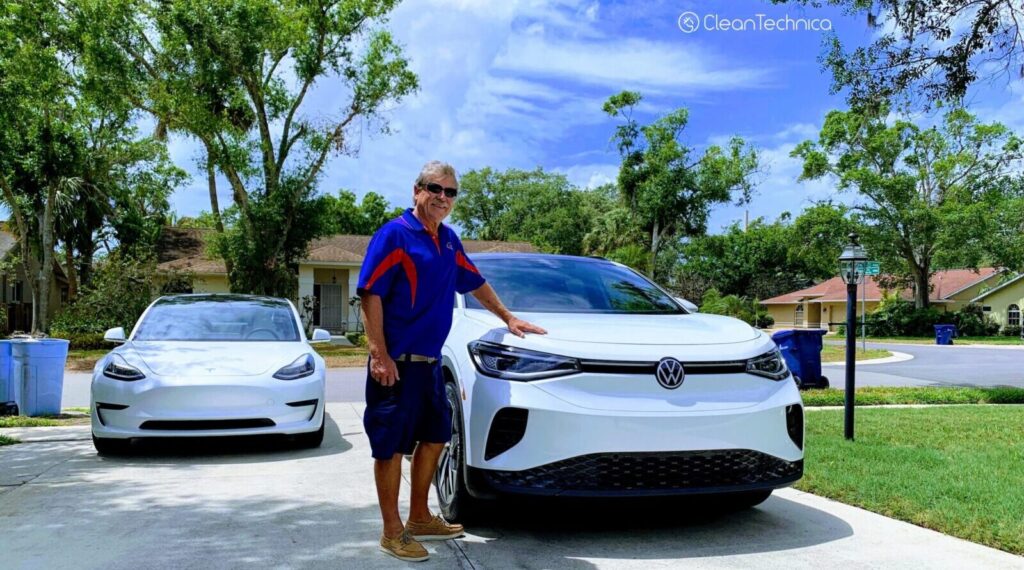
Back in February, I scoured Autotrader for some of the best deals on used EVs before the $4,000 credit was set to expire at the end of October. One of the standout models was the Volkswagen ID.4 Pro S, which offered excellent value due to its relatively low price point and decent mileage. However, with the tax credit now a thing of the past, how have things changed for this model?
When we look at the current pricing landscape, it’s clear that some used EV models are being offered at lower prices than before the tax credit was phased out. For instance, one Volkswagen ID.4 Pro S from 2021 with over 37,000 miles is now available for around $16,500—a stark reduction compared to earlier estimates. Despite this drop in price, it’s important to note that the vehicle’s condition and mileage play critical roles in determining its value.
Another significant model to observe is the Hyundai IONIQ 5. When the tax credit was still applicable, a well-equipped SE trim with cargo package had attracted considerable attention for its affordability. Now, without the $4,000 boost from federal incentives, similar models are being offered at significantly reduced prices. This shift underscores the impact of financial incentives on consumer buying behavior and market supply.
Industry experts suggest that while used EV prices have seen a notable decline post-tax credit phase-out, there’s a need to consider broader factors such as rising battery costs and ongoing advancements in EV technology. The transition period also highlights varying degrees of market resilience among different makes and models—some experiencing more pronounced price drops than others.
Moreover, the current landscape reveals that buyers seeking affordable used EVs now have several attractive options with significant upfront savings. For instance, a 2021 Volkswagen ID.4 Pro S model is available for nearly $5,000 less than it was just a few months ago. This trend could potentially encourage more consumers to consider second-hand models as they weigh the pros and cons of new versus pre-owned EVs.
In conclusion, while the phase-out of federal tax credits has had an immediate impact on used EV prices, this period also presents opportunities for savvy buyers to secure excellent deals. As the market continues to evolve, it will be interesting to see how these price dynamics influence consumer choices and overall industry trends.
