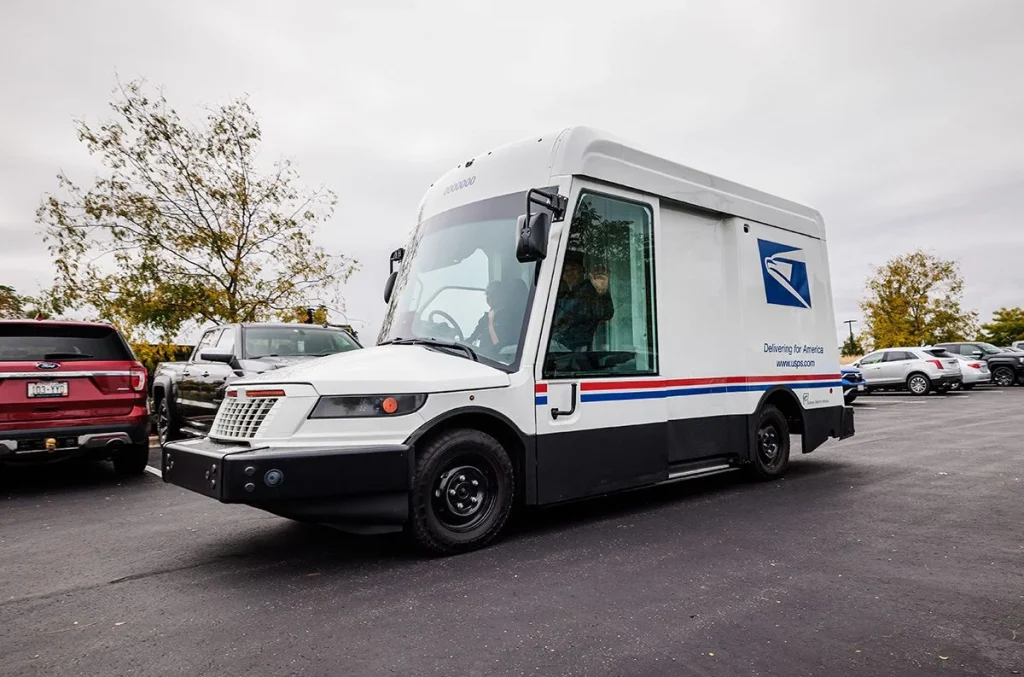
The United States Postal Service (USPS) is finally rolling out electric vehicles to replace its aging fleet, after years of political wrangling and delays. The move comes as a relief for environmental advocates who have long pushed for the switch.
Key Takeaways
- The USPS will deploy custom-built Next Generation Delivery Vehicles (NGDVs) in electric versions alongside traditional gas models.
- In addition to NGDV, thousands of off-the-shelf EVs are being purchased for immediate use.
- This transition follows a decade-long debate and several setbacks including political turmoil and legal challenges.
Postal delivery vehicles are the perfect candidates for electrification due to their short daily routes. They return every night to central depots, making charging convenient and efficient. But it’s taken over nine years of debates, lawsuits, bankruptcies, and investigations before this moment arrived.
The USPS has chosen Oshkosh Corporation as its supplier for the NGDVs. These new vehicles come in both battery-electric and gas versions with a turbocharged 2.0-liter four-cylinder engine from Ford. The electric model is designed to be more cost-effective over time, especially considering fuel savings.
While it’s great news that USPS is finally moving forward, the journey has been frustratingly slow. Other countries like Norway and Germany have already made significant progress in electrifying their postal fleets. But now, after years of waiting, American mail carriers can start looking at cleaner alternatives to today’s aging fleet.
Frequently Asked Questions
When will the new EVs be fully deployed?
The timeline isn’t clear yet. The USPS is expected to roll out thousands of vehicles over several years, but it’s a gradual process.
How much are these electric postal vans costing taxpayers?
Precise figures aren’t available just yet, but the cost will be spread across multiple federal budgets as part of an ongoing commitment to modernizing the fleet.
The long-awaited transition is a step in the right direction for reducing emissions and improving efficiency. As EV technology advances, we can expect more fleets to follow suit.
