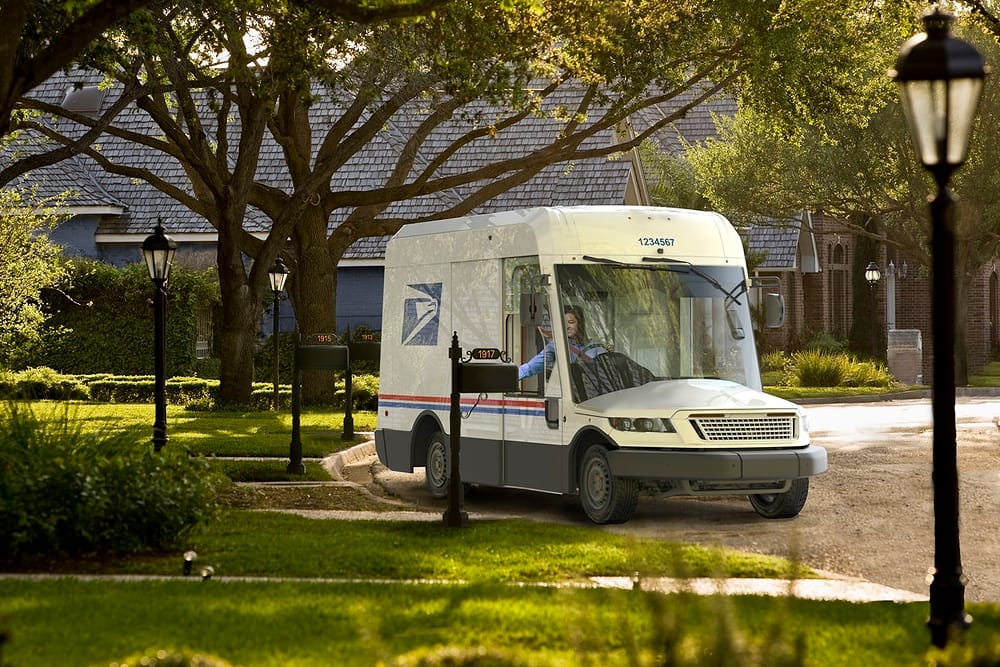
The United States Postal Service (USPS) is making strides in its mission to electrify the mail delivery fleet. With over 2,600 electric vehicles now on the road, USPS continues to lead by example in reducing carbon emissions and embracing sustainable technology.
Key Takeaways
- The USPS has deployed more than 2,600 battery-electric vehicles for mail delivery.
- This includes over 8,700 Ford E-Transit vans and 50,000 Next Generation Delivery Vehicles (NGDV) from Oshkosh Defense.
- USPS is rolling out these EVs to routes where they’ll save the service money compared to traditional vehicles.
The USPS has a clear strategy in place for transitioning its fleet. They’ve already ordered 8,700 Ford E-Transit vans and over 50,000 NGDV models from Oshkosh Defense. These numbers paint a picture of the service’s commitment to going electric.
While some critics argue that this shift is too costly or unnecessary, USPS officials point out that these EVs will actually save money in the long run by reducing fuel and maintenance costs. Plus, they’re better for the environment—a win-win situation if there ever was one!
The Oshkosh NGDV models are particularly exciting because they were designed specifically with postal service needs in mind. With features like a wide rear door opening and a low loading floor, these vehicles make it easier to load and unload packages quickly.
But what about the rest of those 8,700 Ford E-Transits? Well, while USPS has already put over 2,600 EVs into service for mail delivery, they still have a lot more on order. These extra units will likely be used mainly for package deliveries.
Frequently Asked Questions
How many electric vehicles has USPS ordered?
The postal service has placed orders for 8,700 Ford E-Transit vans and over 50,000 Next Generation Delivery Vehicles (NGDV).
Why are these EVs better than traditional vehicles?
EVs save money on fuel costs and require less maintenance. Plus, they help reduce the carbon footprint of USPS operations.
The transition to electric vehicles isn’t just about reducing emissions; it’s also a smart business move that will benefit both the environment and the bottom line in the long run.
