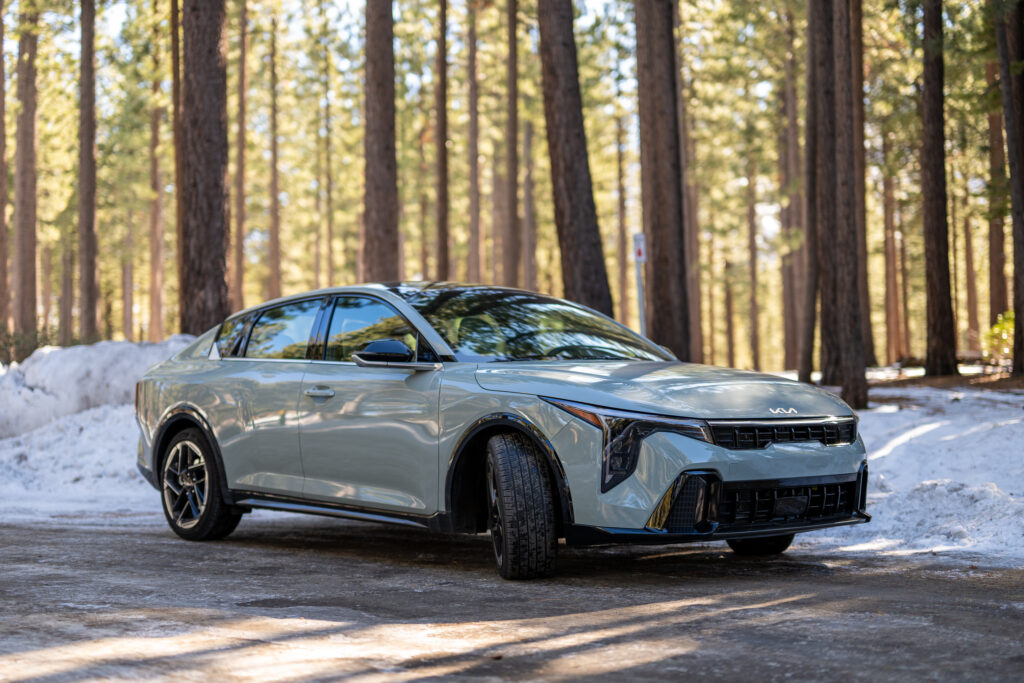
Winter driving presents unique challenges to various vehicle types, including electric vehicles (EVs), plug-in hybrids (PHEVs), conventional hybrids (HEVs), fuel cell vehicles (FCEVs), extended-range EVs (E-REVs), and traditional gas and diesel cars. This guide offers specific advice for each type of powertrain, emphasizing the importance of battery management in cold weather conditions.
Electric Vehicles (BEVs) face significant challenges due to their reliance on batteries that are less efficient in low temperatures. Cold weather can reduce an EV’s range by up to 40%, making it crucial for drivers to precondition their vehicles and plan trips carefully, especially when fast charging is required. Preconditioning allows the battery to reach optimal temperature before driving, enhancing performance.
Plug-in hybrids (PHEVs) offer a dual-power solution with both electric and gasoline modes, providing flexibility in winter conditions. Drivers should use electric mode for short distances and precondition their vehicles similarly to BEVs. Proper planning of drive modes can optimize fuel efficiency and extend the vehicle’s range during cold weather.
Conventional hybrids (HEVs) do not have a plug-in option but still face challenges due to reduced battery performance in winter. These vehicles rely on an internal combustion engine for long drives, making it essential to keep the 12-volt battery charged and warm. Avoiding EV-only driving on ice is also recommended to prevent potential hazards.
Fuel cell vehicles (FCEVs) powered by hydrogen face specific challenges related to fuel availability and cold-start issues. Drivers must plan around possible downtime at hydrogen stations and perform regular system checks in cold weather. The cabin heating system operates differently from traditional cars, requiring special attention to ensure passenger comfort.
Extended-range EVs (E-REVs) combine electric driving with a backup gasoline generator for long-distance travel. In winter, maintaining a battery buffer before remote trips is crucial, as the engine may need to run more frequently to keep the cabin warm and charge the battery. Drivers should expect increased engine operation during cold weather.
