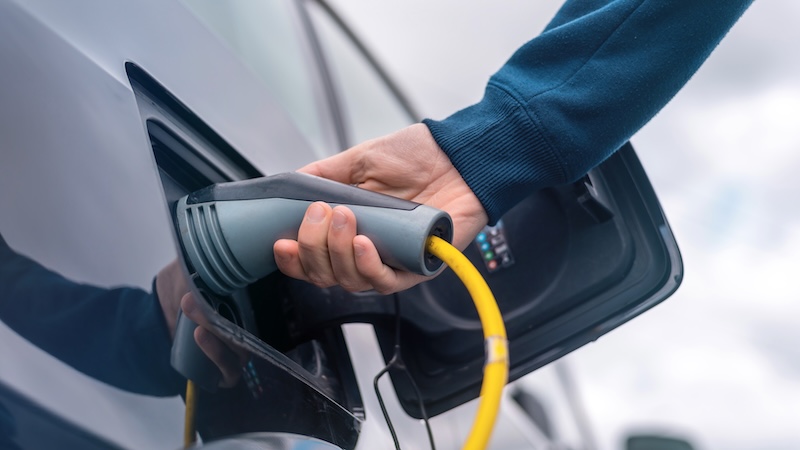
The North American Charging Standard (NACS) plug, designed for two-phase electrical systems in North America, faces significant challenges when compared to the globally accepted three-phase CCS2 standard. Tesla’s initial push for a unified charging solution didn’t pan out as hoped due to regional differences and competing standards.
Key Takeaways
- NACS is better suited for North America’s 120/240V two-phase system but struggles with the three-phase systems used worldwide.
- Tesla’s attempt to unify charger standards failed as other automakers and regions adopted CCS2, leaving NACS limited in global reach.
- The transition to a universal EV charging standard remains uncertain despite ongoing discussions about interoperability.
While the NACS plug is more compact and versatile with its multi-purpose pins that can handle both AC and DC power, it’s not compatible with three-phase electrical systems prevalent outside North America. This limitation means that even though Tesla has adopted CCS2 in many markets for practical reasons, they continue to support their proprietary standard.
CCS2 emerged as a compromise between the Type 1 connector used predominantly by Japanese manufacturers and European standards like Type 2. The addition of DC pins made it an ideal solution for regions with three-phase power supply systems, leading to its widespread adoption globally except in North America where NACS prevails.
The battle over charger standards isn’t just about technical specifications; it’s also influenced by geopolitical factors and the varying pace at which different markets are adopting EV technology. As more countries transition towards renewable energy sources, there is increasing pressure for a standardized approach to charging infrastructure that can accommodate both AC and DC power efficiently.
Frequently Asked Questions
Is NACS the better standard compared to CCS2?
No, it isn’t universally superior. While NACS offers advantages in North America’s electrical system and is more compact, its limitations with three-phase systems make CCS2 a preferred choice globally.
Will there ever be one universal EV charging standard?
The transition towards a single global standard remains uncertain. While discussions are ongoing about interoperability between NACS and CCS2, practical challenges persist due to regional electrical systems and existing infrastructure.
In conclusion, the debate over which is better—NACS or CCS2—is unlikely to resolve anytime soon given their respective strengths in different regions and technical contexts. The push for a universal standard continues but faces significant hurdles related to both technology and market adoption.
