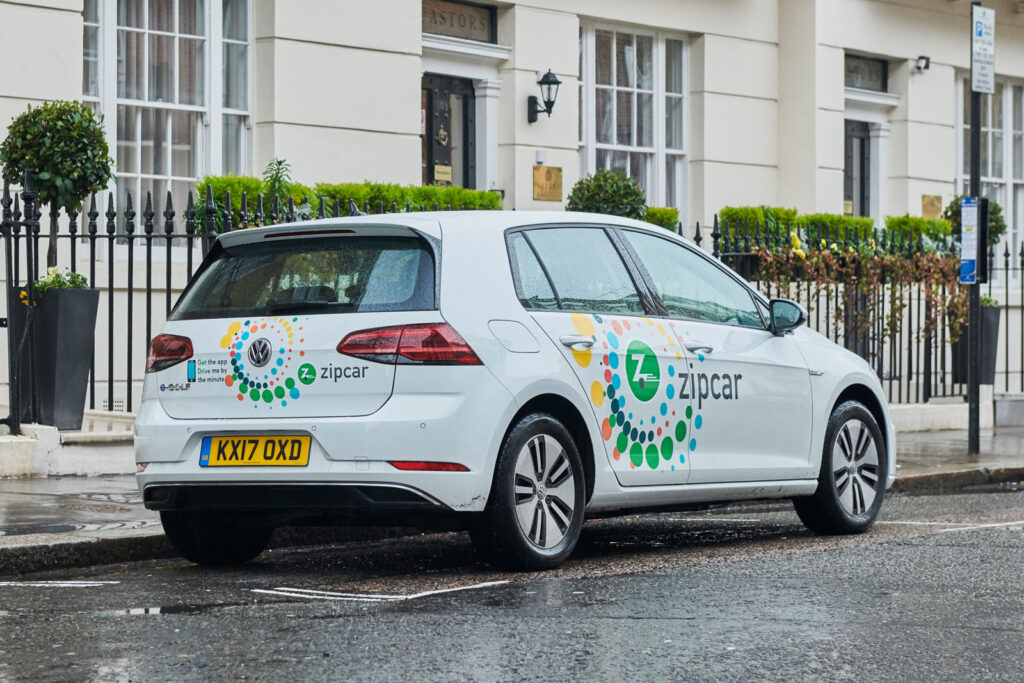
Londoners are buzzing about Zipcar’s decision to pause bookings and potentially close its doors by the end of next year. The news hit hard for longtime users like Jay Rayner, who sees car clubs as essential for urban living.
Key Takeaways
- Avis-owned Zipcar is considering an exit from London after pausing bookings until December 2025.
- The decision highlights challenges faced by car-sharing services in the UK despite growth elsewhere in Europe.
- Government policies may not be supporting these eco-friendly alternatives enough to compete with traditional ownership.
Zipcar’s announcement stirs up a debate on whether government support for car sharing is lacking. Users like Rayner rely heavily on such services, making the decision feel personal and impactful.
The restaurant critic isn’t alone in his disappointment. Many Londoners have turned to Zipcar as an alternative to owning cars due to high costs and limited parking space. The service has become a lifeline for those who want flexibility without the hassle of car ownership.
But why is this happening? Car sharing schemes are growing across Europe, with 129,000 vehicles available last year—a 8% increase from the previous period. Yet in London, Zipcar’s presence seems shaky at best despite similar growth trends elsewhere.
The UK government’s policies on car-sharing might not be as supportive or effective compared to other countries where these services thrive. This could explain why companies like Zipcar are reconsidering their investments here.
Frequently Asked Questions
What does this mean for car sharing in the UK?
This move by Zipcar might signal a broader challenge facing car-sharing companies. It shows that without proper government support, these services struggle to compete with traditional ownership.
Are there alternatives if Zipcar leaves London?
Other options like DriveNow and BMW’s ReachNow are available in some areas of the UK. However, users will have fewer choices as car-sharing companies assess their operations based on local policies.
The news from Zipcar raises questions about how cities can better support eco-friendly transportation alternatives. As more people seek sustainable options for getting around town, finding solutions that work isn’t just good business—it’s essential for the future of urban living.
