Starting in January, China’s vehicle subsidy program will undergo significant changes under the new policy announced by the National Development and Reform Commission. The shift from fixed subsidies to a percentage-based model with caps aims at supporting various price ranges differently.
Key Takeaways
- New energy vehicles (NEVs) get 12% subsidy when scrapped, up to ¥20,000; gasoline cars see a cap of ¥15,000 at 10%
- The trade-in option offers NEV buyers an 8% subsidy with the same maximum limits
- Older vehicles registered before specific dates qualify for subsidies under both scrappage and trade-in policies
New energy vehicle (NEV) owners who scrap their old rides will receive a higher percentage of support, but budget-friendly models won’t benefit as much compared to high-end cars. This adjustment reflects the government’s strategy to encourage more upscale purchases.
For gasoline vehicles with engines 2 liters or smaller, subsidies are capped at ¥15,000 when trading in an older vehicle and up to ¥13,000 for those buying a new one after scrapping their old car. This change aims to promote fuel efficiency without heavily favoring budget models.
The eligibility requirements remain stringent: owners must scrap vehicles registered before 2015 or trade-in cars from even earlier years. These rules ensure that only outdated, inefficient vehicles are phased out of the market.
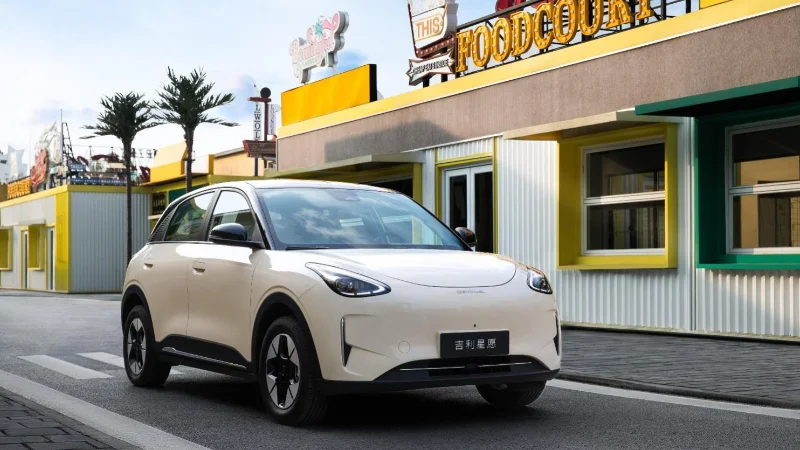
Geely’s Xingyuan model, a top-selling affordable car in China, will see its subsidy reduced under this new policy. Other automakers with similar budget offerings won’t be as favored by these changes either.
Frequently Asked Questions
How does the 2026 subsidy cap affect buyers of high-end electric vehicles?
The new policy caps subsidies at ¥20,000 for NEVs when purchasing after scrapping an old car. For those trading in used cars to buy a new one, the maximum is still up to ¥15,000.
Will all vehicle models qualify under these subsidy rules?
No, only vehicles registered before certain dates are eligible: June 30, 2013 for gasoline cars and June 30, 2015 for diesel or alternative fuel ones.
The new policy won’t impact all car buyers equally. It’s designed to encourage upgrades while still supporting the market with targeted financial aid.
