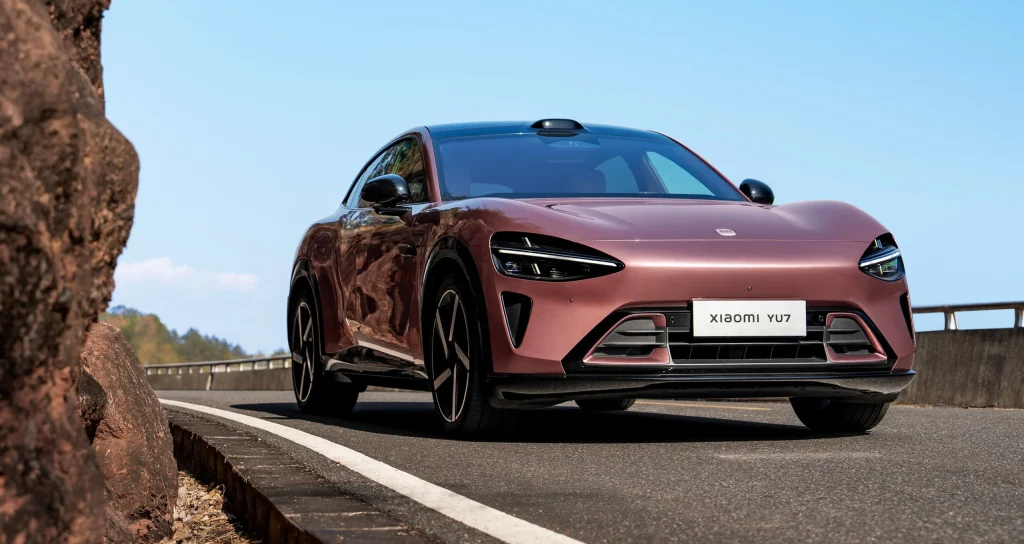
Xiaomi’s entry into the electric vehicle market has been a whirlwind success. Just one year after launching its first model, Xiaomi has delivered over 400,000 vehicles across China.
Key Takeaways
- Xiaomi’s SU7 sedan and YU7 SUV have driven sales past the 400k mark in just one year.
- The company delivered over 50,000 cars in December alone.
- New models for 2026 include two EREVs and updated versions of the SU7.
On March 28, 2024, Xiaomi unveiled its first EV model, the sleek sedan SU7. By April, cars were rolling off production lines in China’s bustling cities. The company followed up with a second model, the YU7 SUV, six months later to compete directly against Tesla’s Model Y.
By November 2025, Xiaomi had already delivered over 361,000 vehicles. Then came December when they announced an impressive surge of over 50,000 units sold in a single month. That brings the total for all of 2025 to well above 400,000 cars.
With its YU7 SUV now hitting the half-million mark six months after launch and outselling the SU7 sedan by three-to-one, Xiaomi is clearly making waves in China’s EV market. They’re also planning an ambitious rollout for next year with two extended-range electric vehicles (EREVs) plus updated versions of their popular SU7.
As demand continues to rise, Xiaomi plans to expand its reach beyond Chinese borders. By 2027, the company aims to enter Europe, starting validation tests in Germany now. This move signals an intention for global growth and competition against established automakers abroad.
Frequently Asked Questions
How many EVs did Xiaomi deliver this December?
Xiaomi announced it delivered over 50,000 units in December alone. The exact number will be revealed on January 15.
What new models is Xiaomi planning for next year?
In 2026, they’re set to launch two EREVs: a large 7-seater SUV and a smaller 5-seater model. They’ll also update the SU7 with facelifted and premium executive versions.
With such rapid growth in its first year, Xiaomi’s entry into electric vehicles is proving to be an exciting chapter for both Chinese consumers and international observers alike.
