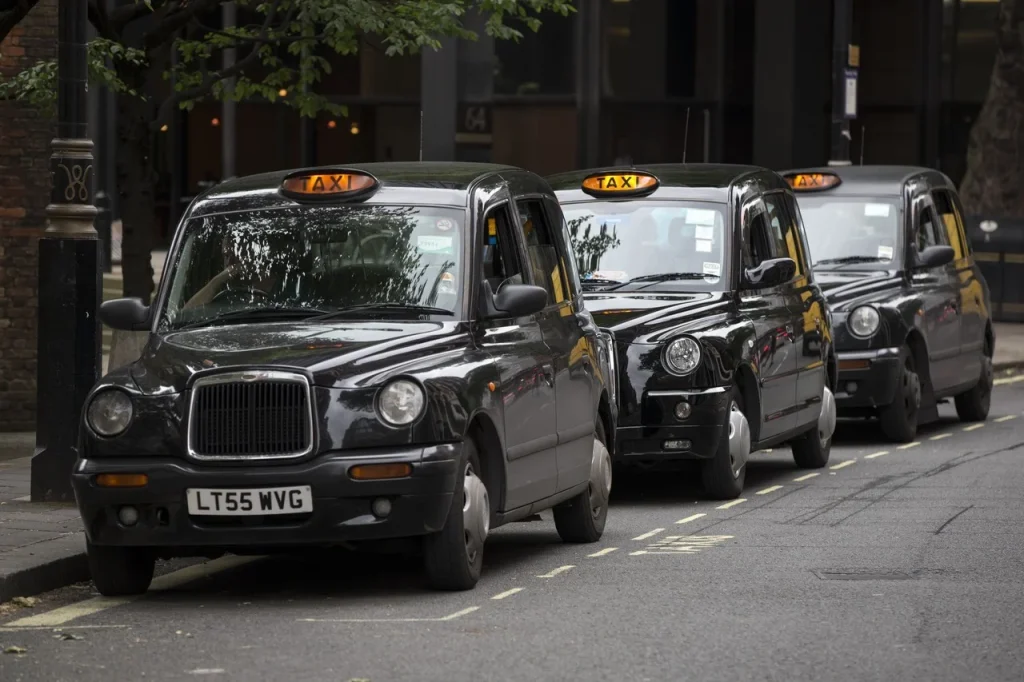
Starting January 2, 2026, London will no longer offer free access to its Congestion Charge zone for electric vehicles. The new system includes a standard charge of £18 per day and an adjusted rate of £13.50 for EVs registered with Auto Pay.
Key Takeaways
- The historic exemption for electric cars from the Congestion Charge ends in 2026.
- A new tariff system will be introduced, offering discounts to commercial vehicles and those using Auto Pay.
- Fees are adjusted every three years starting with a revision planned for 2027.
London’s Transport for London announced the changes as part of efforts to balance sustainability goals and traffic control in central areas. The move comes after several years during which electric vehicles enjoyed tax-free access within the city limits, leading to unintended consequences such as increased congestion.
The new system will apply a £18 daily charge for standard cars entering the Congestion Charge zone while EVs registered with Auto Pay will see reduced rates of £13.50 per day. Commercial zero-emission vehicles and heavy-duty electric trucks face even lower costs at £9 each day, reflecting London’s commitment to promoting sustainable transport.
Although the time slots for charging remain unchanged—Monday through Friday from 7 AM to 6 PM—the city plans further revisions in 2027 and 2030. These updates aim to encourage a more balanced use of urban spaces by reducing traffic congestion while supporting environmental goals.
Frequently Asked Questions
When does the new Congestion Charge for electric cars take effect?
The revised tariff system for electric vehicles will be implemented on January 2, 2026.
How much do commercial zero-emission vehicles pay under this scheme?
Fees are set at £9 per day for commercial and heavy-duty electric vehicles operating in the Congestion Charge zone.
The changes reflect a shift towards more nuanced policies aimed at balancing environmental sustainability with practical urban mobility needs. As London continues to evolve its approach, it aims to maintain its leadership role in green transportation initiatives while addressing traffic concerns.
