Chinese automaker <a href="https://autoglobalnews.com/jaecoo-j7-phev-undercuts-byd-sealion-targets-chery-and-geely-in-australia/” style=”color:#1a73e8;text-decoration:underline;” title=”Jaecoo J7 PHEV Undercuts BYD Sealion, Targets Chery and Geel”>BYD has announced a significant shift in its strategy, opting to abandon the iconic rotating touchscreens that have been a hallmark of its models since entering the European market. This decision marks a clear departure from the brand’s previous design philosophy and signals a new focus on seamless integration with third-party platforms such as Apple CarPlay and Android Auto.
Key Takeaways
- The Yuan Pro will be the first model to feature a fixed touchscreen, setting the stage for a gradual rollout across BYD’s entire lineup.
- The company cites user feedback indicating that despite the visual appeal of rotating screens, they were rarely used in day-to-day driving scenarios.
- BYD aims to standardize interfaces as part of its future strategy, particularly as it prepares for advancements in autonomous driving technology.
The rotating touchscreen feature was introduced by BYD with the aim of offering a unique user experience and visual identity. However, after initial success, the company observed that drivers rarely utilized this functionality in practice. This realization prompted BYD to reconsider its approach to infotainment systems.
BYD’s decision reflects an industry-wide trend towards prioritizing compatibility and ease-of-use over innovative but less practical features. As competitors like Tesla have demonstrated with their Model S updates, focusing on user-centric design can lead to better adoption rates of new technologies.
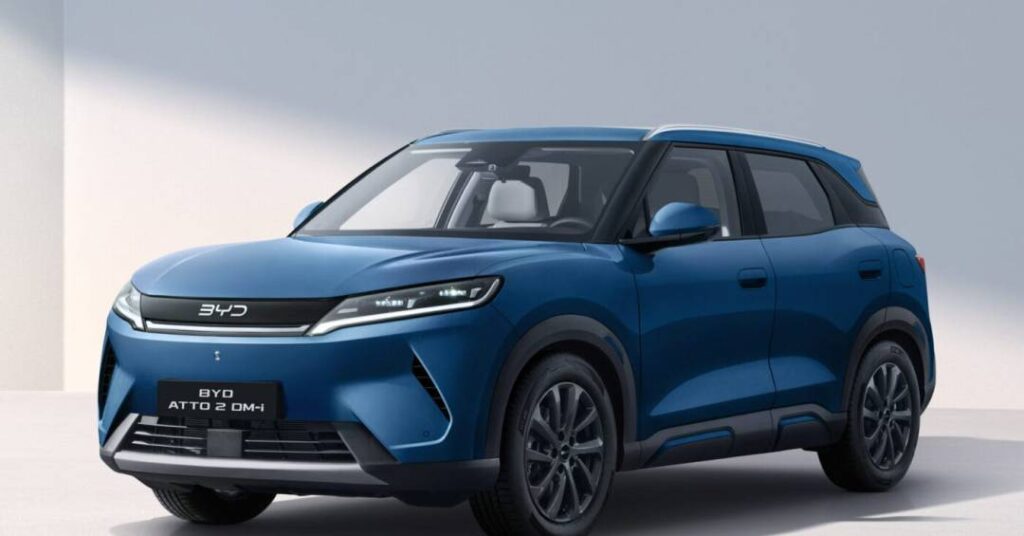
The Atto 2, set to be the first model to feature a fixed touchscreen, represents BYD’s commitment to this new direction. This change is expected to enhance the overall driving experience by streamlining interactions with commonly used applications such as Apple CarPlay and Android Auto. The move also aligns with BYD’s long-term vision of developing autonomous driving capabilities.
Frequently Asked Questions
Will the rotating screens still be available on older models?
No, BYD will not offer retrofits or upgrades for existing vehicles with rotating touchscreens. However, customers can continue to enjoy their current features until they choose to upgrade.
What is the rationale behind this change?
The decision stems from user feedback indicating that while the screens were visually appealing, they were not frequently used in day-to-day driving. BYD aims to enhance usability and prepare for future technological advancements such as autonomous driving.
This strategic shift underscores BYD’s commitment to evolving with market demands and technological progress. As the automotive industry continues to embrace digital integration and user-centric design, BYD’s move towards fixed touchscreens signals a new era in infotainment system development.
