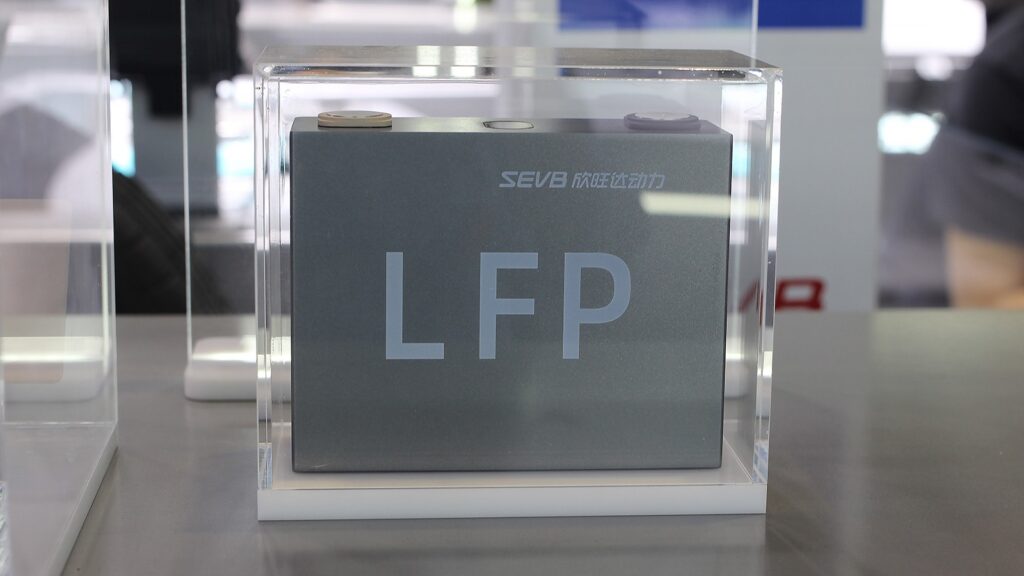
Several major lithium iron phosphate (LFP) manufacturers in China have raised prices or plan to do so as demand for electric vehicles and energy storage systems continues to surge. According to Shanghai Securities News, one unnamed company will hike its processing fees by RMB 3,000 per ton starting January 1, 2026.
Key Takeaways
- LFP producers in China are raising prices due to rising demand and supply constraints.
- The effective capacity utilization rate of LFP manufacturers has surpassed 95 percent as orders outstrip production capabilities.
- CATL, a leading battery manufacturer, recently began mass-producing its fifth-generation LFP batteries with improved energy density.
Orders placed before November 1, 2025 will remain at the original contract prices for one unnamed company that implemented an earlier price hike of RMB 3,000 per ton. Another major manufacturer has also raised its processing fees by the same amount starting from November.
The growing demand for EVs and energy storage systems is driving up LFP material costs and causing supply constraints in China’s lithium market. The report noted that spot prices for power battery materials were RMB 39,950 per ton on December 1, while those for energy storage applications stood at RMB 36,950.
Industry insiders suggest that these price hikes are reasonable given the current market conditions but ultimately depend on negotiations between producers and buyers. CATL’s fifth-generation LFP batteries have achieved new breakthroughs in terms of energy density, marking a significant step forward for battery technology.
Frequently Asked Questions
Why are Chinese lithium producers raising prices?
Lithium iron phosphate (LFP) manufacturers are increasing their prices due to rising demand and supply constraints, leading to higher material costs.
What is the current utilization rate of LFP production capacity in China?
The effective capacity utilization rate for Chinese LFP producers has now surpassed 95 percent as orders outstrip available production capabilities.
In light of these developments, it’s clear that supply and demand dynamics are playing a significant role in shaping the lithium market. Producers must navigate complex negotiations to ensure sustainable growth while meeting rising consumer needs for EVs and energy storage solutions.
