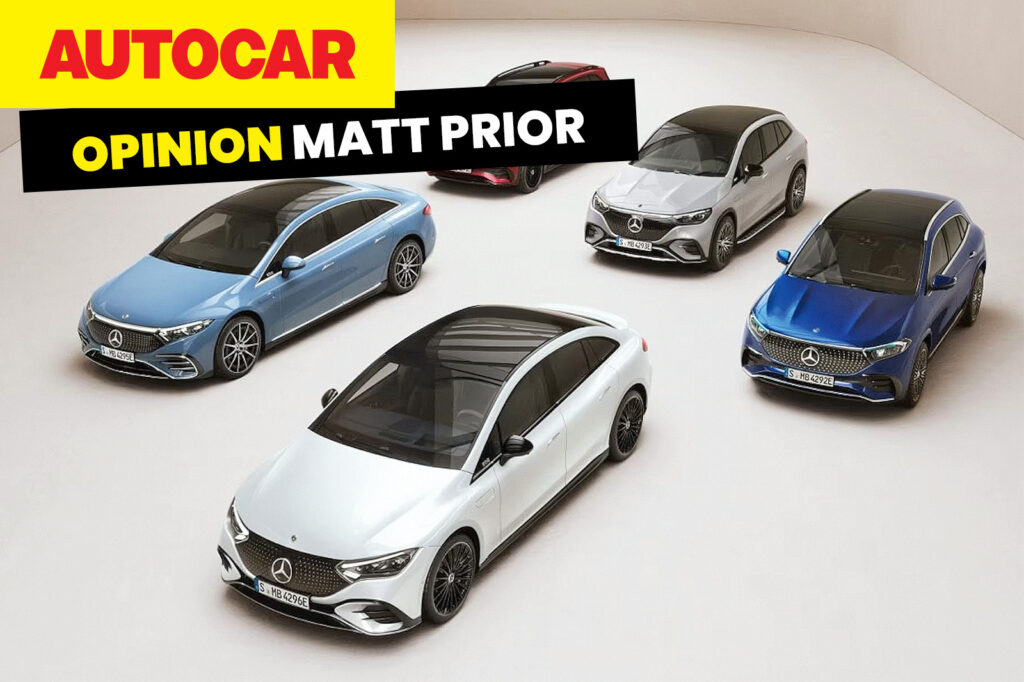
The automotive industry is witnessing a surge in electric vehicle (EV) sub-brand launches, with manufacturers like Hyundai’s Ioniq and Mercedes-Benz’s EQ leading the charge. These dedicated EV lines are crucial for brands aiming to establish a strong presence in the rapidly growing market.
Key Takeaways
- Strong brand identity is vital for consumer recognition and loyalty.
- Innovative technology and design set sub-brands apart from competitors.
- Sustainable business practices enhance a brand’s reputation and appeal to eco-conscious consumers.
The success of electric vehicle (EV) sub-brands hinges on their ability to differentiate themselves through unique branding, advanced technology, and environmental responsibility. Sub-brands such as Hyundai Ioniq and Mercedes-Benz EQ have carved out distinct identities within the broader automotive landscape, emphasizing sustainability and cutting-edge features.
One critical factor in the success of EV sub-brands is the strength of their brand identity. This includes clear messaging about the brand’s mission and values, which helps build consumer trust and loyalty. For example, Ioniq positions itself as a leader in eco-friendly transportation with a focus on affordability and practicality.
Technological innovation plays another pivotal role in distinguishing EV sub-brands from their competitors. Features like fast-charging capabilities, long-range batteries, and advanced driver-assistance systems are crucial selling points that attract tech-savvy consumers looking for the latest advancements in electric mobility.
Ethical considerations also significantly influence consumer perceptions of EV sub-brands. Brands that prioritize sustainability through eco-friendly manufacturing processes and ethical supply chains can enhance their reputation among environmentally conscious buyers. Mercedes-Benz EQ, for instance, emphasizes its commitment to reducing carbon footprints throughout its production cycle.
Frequently Asked Questions
What sets successful EV sub-brands apart from competitors?
Successful electric vehicle sub-brands differentiate themselves through strong brand identity, innovative technology, and sustainable business practices. These elements collectively enhance consumer appeal and market positioning.
How important is sustainability in the success of EV sub-brands?
Sustainability is crucial for building a positive brand reputation among eco-conscious consumers. Brands that demonstrate commitment to ethical manufacturing processes and environmental responsibility can strengthen their market presence.
In conclusion, the rise of electric vehicle sub-brands underscores the importance of clear branding, technological leadership, and sustainable practices in today’s automotive industry. As more manufacturers enter this competitive space, these factors will continue to shape consumer preferences and drive innovation.
