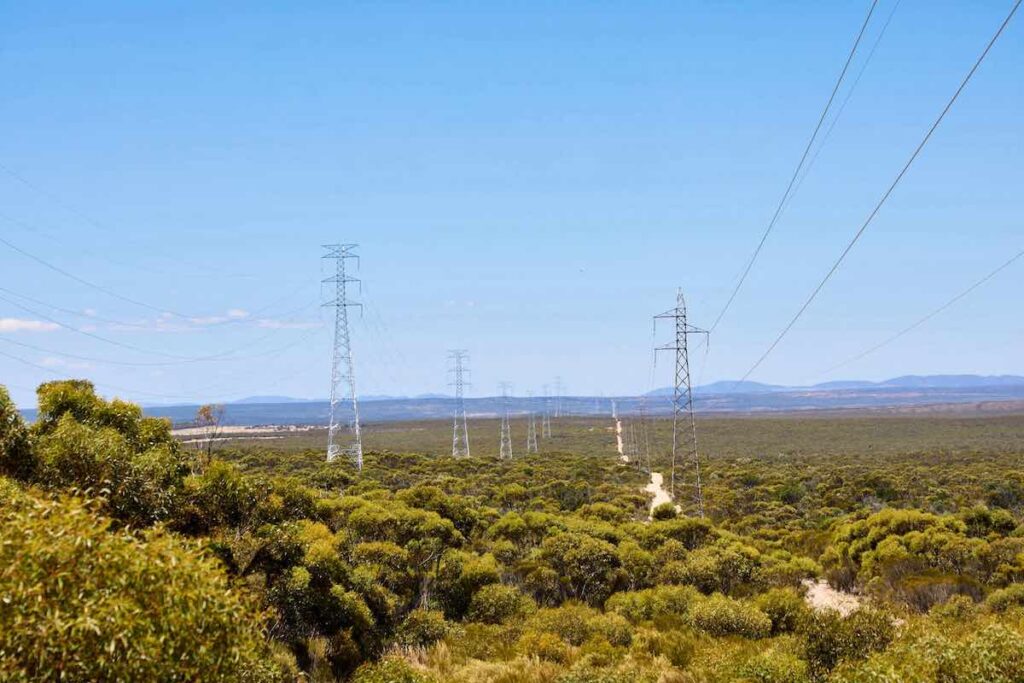
South Australian farmers are successfully influencing the route of a significant transmission project, pushing ElectraNet to reassess its plans for the Northern Transmission Project (NTx South). The original proposal included four corridors through high-yield cropping land between Bundey and Adelaide’s northern suburbs. However, local concerns over the impact on agricultural productivity have led to a new investigation area being opened up east of Eudunda.
ElectraNet’s Len Schoots explained that community feedback has prompted a shift in focus for NTx South. The network company is now considering additional feasible land areas that better align with the expectations of local communities, particularly farmers who rely on these fertile regions for their livelihoods. This change reflects a growing awareness among energy companies of the importance of sustainable development and stakeholder engagement.
The new transmission line will connect Whyalla to Adelaide, supporting an expansion of renewable energy projects in South Australia, which already generates 75% of its demand from wind and solar power. The goal is to achieve 100% net renewables by 2027, with plans for even higher levels beyond that date. This ambitious target underscores the critical role of infrastructure like NTx South in facilitating the transition to a greener energy future.
The proposed route from Whyalla initially swung east through marginal rangelands before connecting to the Bundey substation. From there, four different routes were originally identified for reaching Adelaide’s northern suburbs. However, these options are now under scrutiny due to local objections and the need to balance environmental and economic considerations. ElectraNet is committed to finding a solution that minimizes disruption while supporting South Australia’s renewable energy ambitions.
The shift in focus towards more eastern corridors reflects a broader trend in infrastructure planning where ecological and agricultural impacts are given greater weight alongside technical feasibility. This approach aims to create a more resilient grid capable of integrating diverse sources of renewable energy, such as wind farms and solar arrays, without compromising the state’s primary industries.
As South Australia continues its push towards net-zero emissions by leveraging its abundant natural resources for clean power generation, ElectraNet faces the challenge of balancing these goals with community interests. The NTx South project is a key piece in this puzzle, requiring careful consideration and negotiation to ensure it aligns with both environmental sustainability and economic viability.
