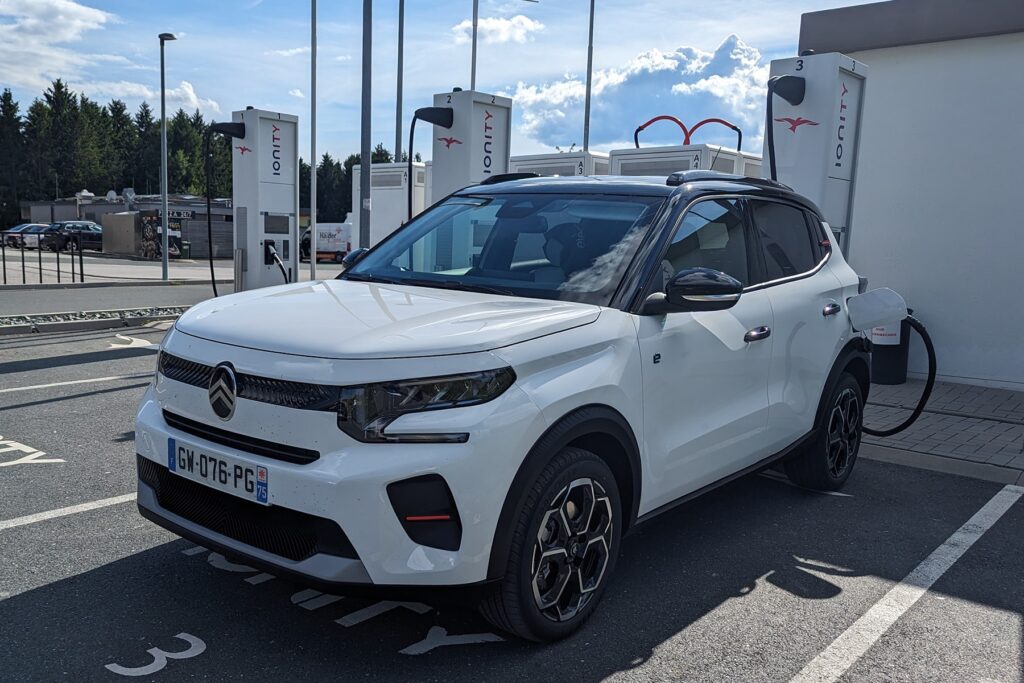
The French government has reaffirmed its commitment to accelerating the transition towards electric vehicles (EVs) by extending the environmental bonus scheme through 2026. This decision aims to ensure continuity in incentives and maintain high subsidy levels, thereby supporting the country’s goal of a low-carbon economy.
Key Takeaways
- The environmental bonus will continue unchanged from Q4 2025 into 2026.
- Subsidies for EVs can reach up to €5,700 for low-income households and vary based on income levels.
- An additional bonus of €1,200 to €2,000 is available for vehicles with batteries manufactured in Europe.
The environmental bonus scheme has been a cornerstone of France’s efforts to promote energy efficiency since mid-2025. The government now links the maximum subsidy amounts to fluctuating prices of energy savings certificates (CEE), which are central to France’s strategy for promoting energy-efficient vehicles.
Subsidies have shifted from public budgets to CEE financing, reflecting a strategic shift in funding mechanisms. For low-income households, subsidies could reach up to €5,700 based on current market conditions; middle-income households may receive up to €4,700, while other households are eligible for up to €3,500.
The additional bonus of €1,200 to €2,000 is available exclusively for EVs with batteries manufactured in Europe. This provision underscores the government’s emphasis on supporting local manufacturing and ensuring environmental sustainability through the production process.
France’s market share of fully electric vehicles reached a record high of 24% in October 2025, up from an average of 16.8% in 2024. This significant increase highlights the effectiveness of current incentive measures and sets the stage for continued growth.
Frequently Asked Questions
What are the eligibility criteria for the environmental bonus?
The bonus is available exclusively for EVs meeting strict environmental criteria, weighing less than 2,400 kilograms and costing below €47,000 (excluding optional extras).
How does the social leasing scheme fit into this framework?
The social leasing scheme is separate from the environmental bonus. It targets households with at least one employed member earning less than €16,300 per person annually and commuting more than 15 kilometers or driving over 8,000 kilometers for professional purposes.
By extending these incentives through 2026, France aims to solidify its position as a leader in the transition towards electric mobility. The government’s strategic decision reflects an ongoing commitment to fostering sustainable transportation options and reducing carbon emissions.
