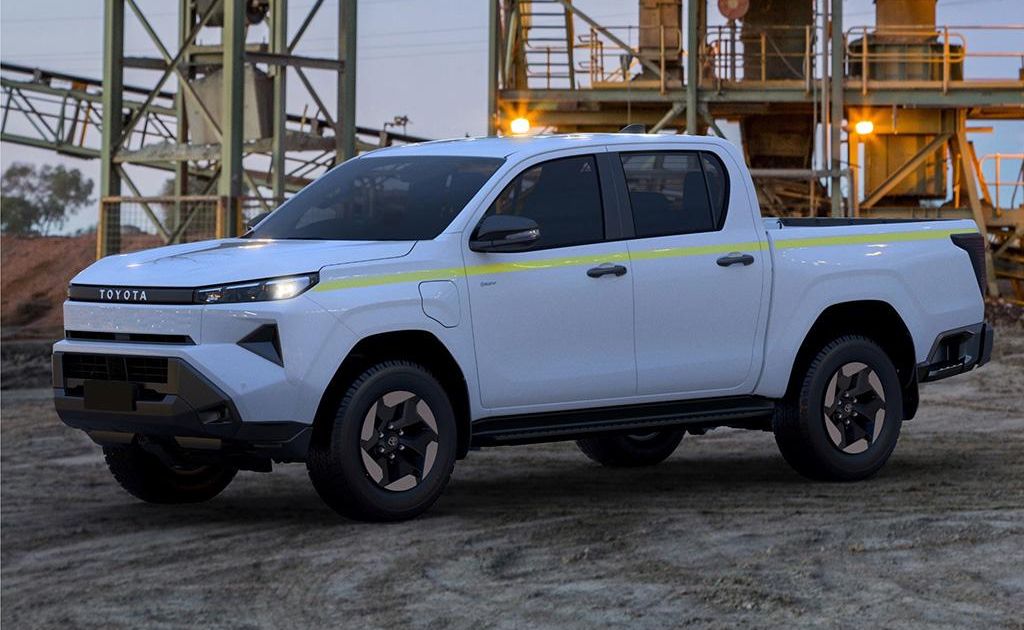
The Toyota HiLux, a stalwart in the automotive industry for decades, is set to make waves with its electrified variants. The upcoming HiLux Electric Vehicle (EV) and Fuel Cell Electric Vehicle (FCEV) models are not merely designed to meet stringent emissions regulations but aim to redefine efficiency and capability standards within their segment.
Key Takeaways
- The Toyota HiLux EV and FCEV offer a blend of traditional workhorse reliability with cutting-edge technology.
- Packaged with advanced battery management systems, these models promise extended range and performance.
- Toyota’s approach to electrification in the HiLux reflects a strategic move towards sustainable mobility solutions without compromising on utility.
The introduction of electric variants for the Toyota HiLux represents a significant evolution from its diesel-powered predecessors. While the original HiLux was renowned for its ruggedness and reliability, the EV and FCEV models incorporate modern battery technology that enhances both efficiency and environmental friendliness. The use of lithium-ion batteries with sophisticated management systems ensures optimal performance under various conditions.
One key feature distinguishing these new models is their range capabilities. With advancements in battery density and energy recovery technologies, Toyota has managed to extend the operational range significantly compared to conventional HiLux models. This makes them suitable for a wider array of applications, from urban delivery services to off-road adventures where traditional vehicles might struggle.
The FCEV variant introduces an additional layer of innovation with its hydrogen fuel cell technology. Unlike purely electric vehicles that rely solely on battery packs, the FCEV model combines this with a fuel cell stack to generate electricity onboard. This not only provides extended range but also offers faster refueling times compared to charging batteries, making it particularly appealing for fleet operators and industries requiring high mobility.
Frequently Asked Questions
How does the HiLux EV compare in terms of payload capacity?
The Toyota HiLux EV maintains a comparable or even slightly improved payload capacity compared to its diesel counterpart, thanks to advancements in lightweight materials and battery packaging.
Are these new models suitable for off-road use?
Yes, the HiLux EV and FCEV are designed with robust underbody protection and advanced traction control systems that make them well-suited for challenging terrain. They retain the ruggedness of their diesel predecessors while offering enhanced environmental performance.
The Toyota HiLux’s journey from its origins to these electrified variants is a testament to the brand’s commitment to innovation and sustainability. As industry standards evolve, Toyota continues to lead by example, ensuring that utility vehicles remain both practical and eco-friendly.
