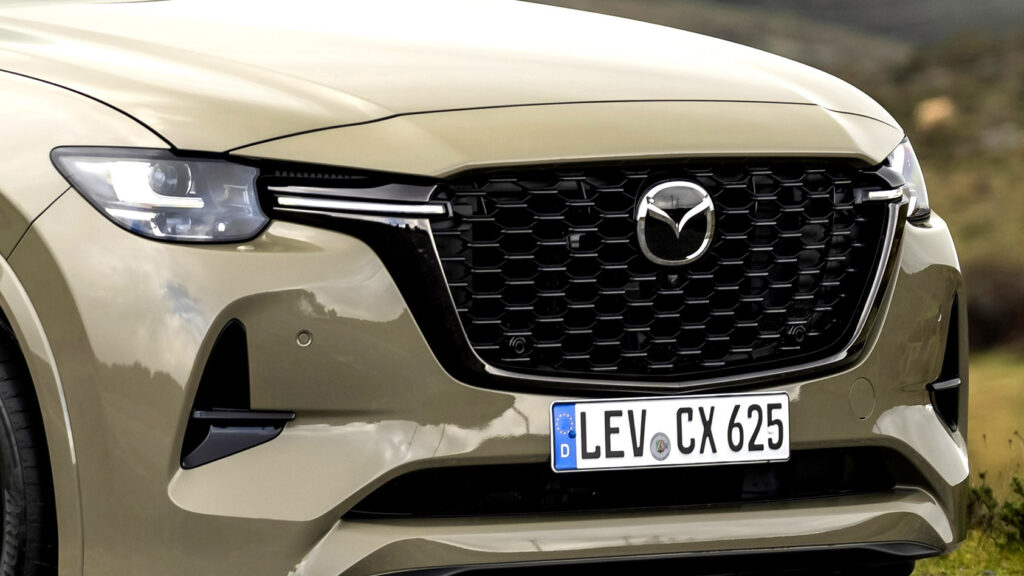
Mazda’s latest venture into the SUV arena with the CX-60 has been anything but smooth sailing. The Japanese automaker admits to rushing a model that was far from perfect, all in an effort to keep up during pandemic-induced production delays.
The CX-60 hit European roads underdeveloped, plagued by suspension and transmission issues, forcing Mazda to issue two major updates post-launch. According to Alexander Fritsche, senior manager of product development and engineering at Mazda Europe, the company felt immense pressure to get the SUV into the market quickly.
“We had some quick starts with this product that were not 100 percent,” Fritsche told Drive in Australia. “There were big learnings from this experience.” Indeed, the pandemic’s stringent travel and testing restrictions limited Mazda’s ability to conduct thorough on-the-ground tests in Europe.
But it wasn’t just about timing; the challenges extended to engineering resources as well. With remote development and limited physical testing environments, engineers struggled to get the drivetrain systems calibrated properly for real-world driving conditions.
Mazda learned its lesson hard and fast. “Heavy, heavy discussions” followed the CX-60’s initial rollout, emphasizing the importance of ensuring a model is fully ready before launch. Now, the company aims to avoid repeating these mistakes, focusing on customer satisfaction from day one.
Post-launch adjustments have seen Mazda fitting new rear shock absorbers and other mechanical tweaks in an effort to redeem the CX-60’s reputation. While it remains to be seen if these changes will fully address consumer concerns, they show a commitment to rectifying past issues.
The CX-60’s story is a stark reminder of how rushed development can backfire even for established brands like ‘mazda’. In the age of instant social media feedback and stringent safety standards, automotive companies must prioritize quality over speed. Will Mazda’s latest SUV recover its lost credibility? Only time will tell.
