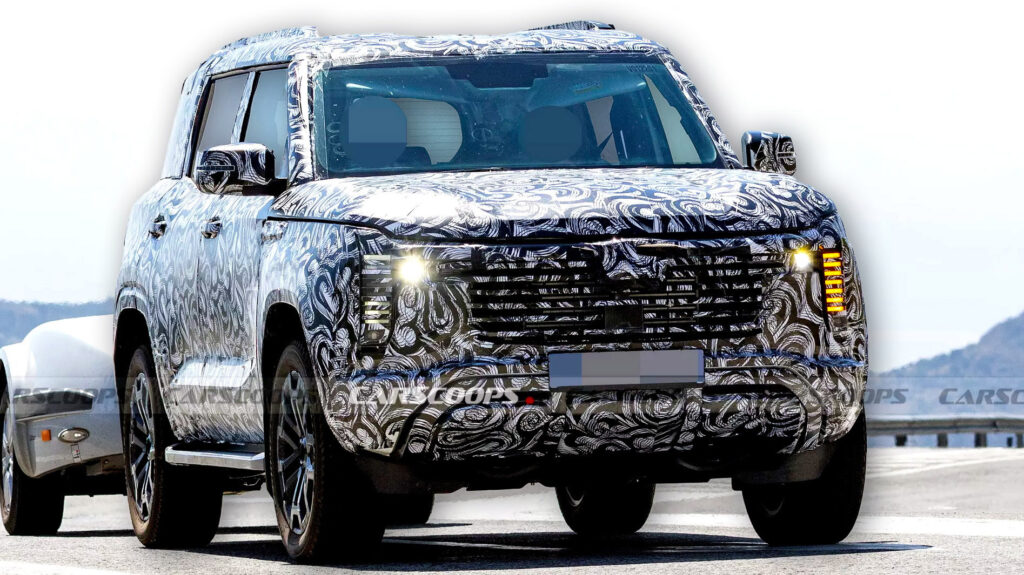
Mitsubishi’s North American business reported a loss during the April-September period, raising questions about its future. The company is considering teaming up with rivals like Nissan and Honda for joint production, potentially assembling SUVs at existing factories.
Key Takeaways
- Mitsubishi’s North American business reported a loss during the April-September period.
- The company is exploring partnerships with rivals Nissan and Honda to boost production efficiency.
- A joint venture could help Mitsubishi overcome tariffs that have raised vehicle prices in the US market.
With every Mitsubishi sold in the United States currently imported from Japan, the brand faces steep import tariffs. These costs make it difficult for consumers to afford Mitsubishi vehicles compared to those made locally by other manufacturers.
Mitsubishi’s president and CEO Takao Kato acknowledged that continuing operations independently is challenging due to these financial pressures. He hinted at a potential decision on joint production with Nissan or Honda by next spring, which could be crucial for the company’s survival in North America.
Nissan has been struggling as well, dealing with declining sales across its lineup and underutilized factories in Mississippi and Tennessee. A partnership would allow both companies to leverage unused capacity while addressing Mitsubishi’s need for a local production base.
Honda operates five US plants but all are near maximum capacity. By working together, the manufacturers could share resources more effectively and improve their competitiveness against emerging electric vehicle makers.
Frequently Asked Questions
What models might Mitsubishi produce with Nissan?
Mitsubishi executives have previously suggested that upcoming SUVs could be manufactured at Nissan’s American plants, though no specific model names or factories have been confirmed yet.
Why is this partnership important for the industry?
This collaboration reflects a shift in how automakers approach production and sales strategies. It shows that even longstanding competitors can benefit from sharing resources to stay competitive amid changing market conditions.
Mitsubishi’s proposed joint venture with Nissan or Honda highlights the evolving nature of automotive manufacturing, where cooperation is becoming increasingly important for survival in a crowded marketplace.
