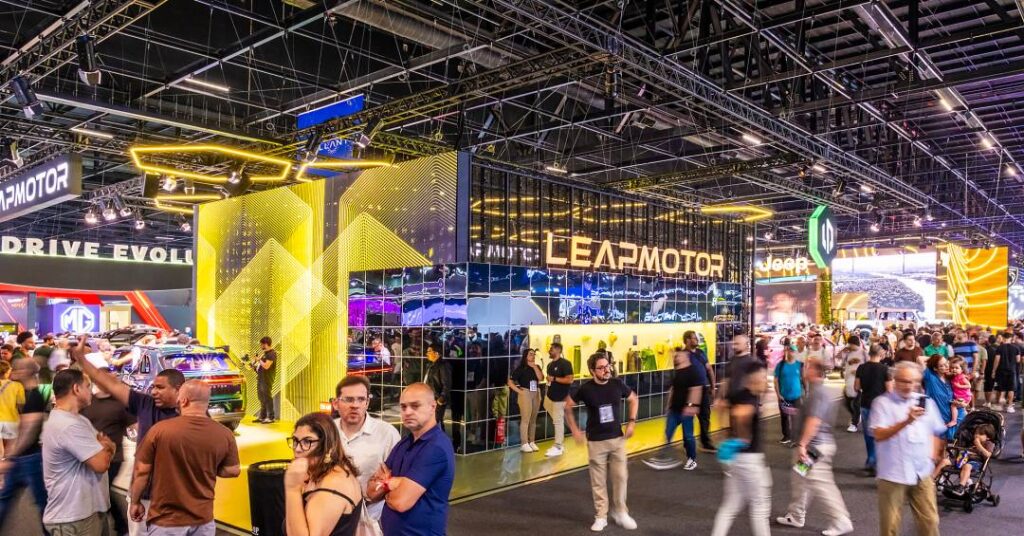
The Brazilian automotive landscape has seen a surge of activity with the arrival of six new car brands within just two weeks, each offering unique vehicles and electrification strategies.
Among these newcomers are Jetour, Leapmotor, MG, Changan, Avatr, and Denza. All hail from China and bring their own twist to electric and hybrid models. The Jetour brand, part of the Chery Group, is setting its sights on Brazil with an initial lineup that includes six plug-in hybrid (PHEV) SUVs scheduled for launch between 2026 and beyond.
The first model from Jetour, the T2, embodies a robust aesthetic reminiscent of older rugged SUV designs like the GWM Tank 300. It features a turbocharged gasoline engine paired with two electric motors, delivering an impressive total output of 225 horsepower and substantial torque figures for urban driving.
Inside, Jetour’s tech offerings are noteworthy: a large touchscreen infotainment system powered by Qualcomm’s Snapdragon processor, digital instrument cluster, premium audio setup from Sony, and up to ten airbags for enhanced safety. The brand is also preparing its engine lineup to cater specifically towards Brazilian tastes with ethanol-adapted motors.
Leapmotor’s entry into Brazil represents a significant move as part of the Stellantis portfolio. Founded in 2015, Leapmotor focuses on SUVs equipped either fully electric or as range-extended hybrid models (REEV). The C10 model is set to lead this charge, followed by its sibling B10 starting from January next year.
Leapmotor’s pricing strategy ranges between R$ 172.990 and R$ 199.990 depending on the drivetrain chosen. This SUV promises a minimalistic interior design with extensive use of digital interfaces, such as its large central display screen, enhancing driver convenience and modernity.
While Leapmotor has committed to expanding its dealership network across Brazil through Stellantis’ existing retail infrastructure, Jetour plans an independent launch starting from 30 dealerships by December 2025. These moves reflect the increasing presence of Chinese brands in global markets and their adaptability towards regional preferences.
